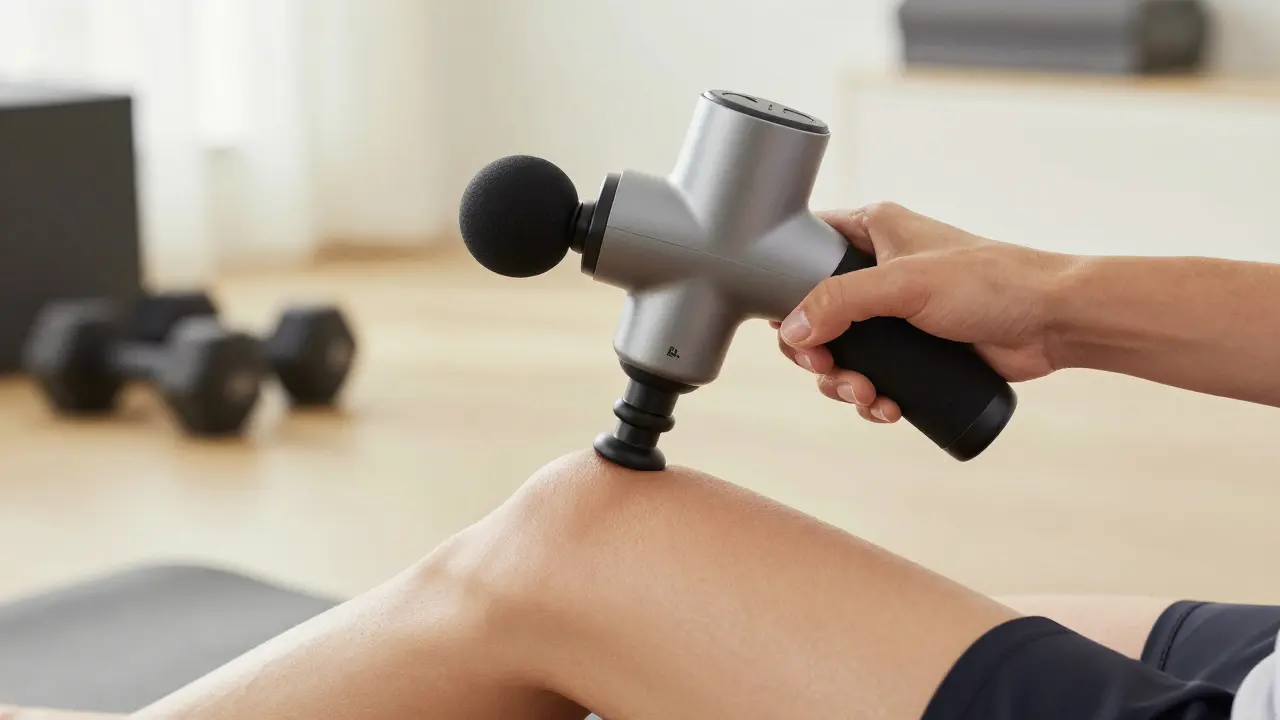
Imagine finishing a brutal leg day. Your quads are screaming, your hamstrings feel like concrete, and just the thought of climbing stairs makes you wince. For years, the standard advice was simple: sit on the couch, stretch gently, or book an expensive deep-tissue session if you could afford it. But then came the percussion massager. That handheld gun that looks like a power tool but feels like magic against sore muscles. It’s no longer just a trend for weekend warriors; it’s a staple in professional sports locker rooms and home gyms alike. But does it actually boost your fitness performance, or is it just another gadget gathering dust?
The short answer is yes, but not in the way most people think. Percussion massage doesn’t magically make your muscles stronger overnight. Instead, it acts as a powerful catalyst for recovery, mobility, and readiness. By understanding how percussive therapy interacts with your body’s physiology, you can turn downtime into productive time, allowing you to train harder, more frequently, and with less pain.
The Science Behind the Buzz: What Is Percussion Therapy?
To understand why this works, we need to look at what happens inside your muscle tissue. When you exercise, especially during high-intensity resistance training or endurance events, your muscle fibers undergo microscopic damage. This isn't necessarily bad-it's part of the adaptation process-but it leads to inflammation, stiffness, and the accumulation of metabolic waste products like lactate (though recent science suggests lactate clears faster than once thought, the sensation of tightness remains).
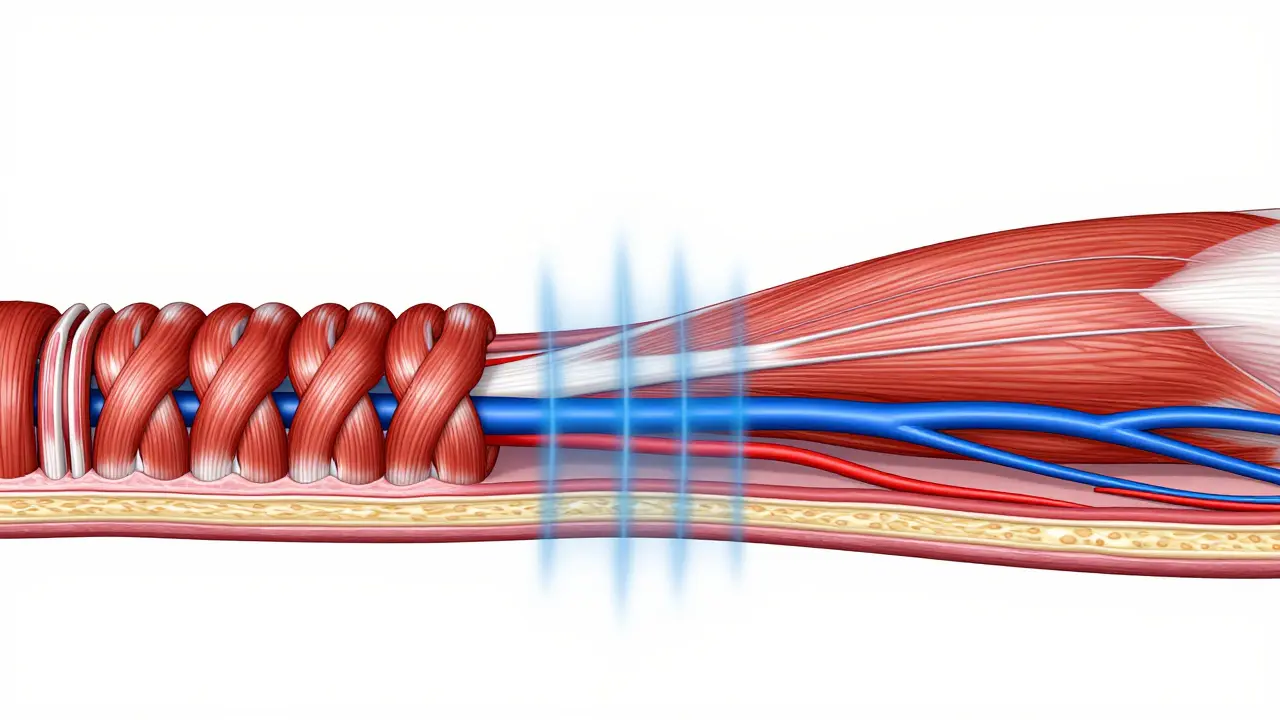
First, there is the mechanical effect. The rapid pressure helps break up adhesions-those sticky bands of scar tissue that form between muscle fibers after injury or overuse. Think of it like ungluing two pieces of tape that have been pressed together too hard. Second, there is the neurological effect. The vibration stimulates mechanoreceptors in the skin and muscle, sending signals to the brain that can inhibit pain perception. This is known as the Gate Control Theory of pain. Essentially, the "buzz" distracts your nervous system from the "ouch," allowing you to move more freely.
Finally, there is the circulatory benefit. The rhythmic compression and release act like a pump, encouraging blood flow to the area. Increased blood flow means more oxygen and nutrients are delivered to tired tissues, while waste products are flushed out more efficiently. This combination of mechanical, neurological, and circulatory benefits creates an environment where your body can repair itself faster.
Accelerating Muscle Recovery Between Sessions
If you train five days a week, recovery isn't a luxury; it's a necessity. You cannot build strength or endurance if your muscles are perpetually broken down. This is where percussion massage shines brightest. Studies have shown that using a percussive device post-workout can significantly reduce Delayed Onset Muscle Soreness (DOMS). DOMS is that peak soreness you feel 24 to 72 hours after intense exercise.
By applying percussion to large muscle groups like the quadriceps, glutes, and lats immediately after a workout, you help normalize muscle tone. Tight muscles restrict movement and increase the risk of strain in subsequent sessions. Loosening them up ensures that when you step back into the gym, your range of motion is preserved. For example, a runner who uses percussion on their calves and shins may find they can maintain proper form longer in their next interval session because their ankles aren't restricted by tight gastrocnemius muscles.
It’s also worth noting that consistency matters more than intensity. A gentle two-minute pass over each major muscle group daily is often more effective than one aggressive twenty-minute session once a week. The goal is maintenance, not torture. If it hurts too much, you’re likely triggering a protective reflex that causes the muscle to tighten further, defeating the purpose.
Enhancing Mobility and Range of Motion
Stiffness is the enemy of performance. Whether you’re trying to hit a deeper squat, improve your golf swing, or simply pick up groceries without back pain, mobility is key. Traditional static stretching has its place, but it can sometimes temporarily weaken the muscle by putting it in a lengthened state. Percussion therapy offers a different approach: it increases elasticity without compromising strength.
When you apply a percussion device to a specific area, you are essentially warming up the tissue locally. This heat generation increases the viscosity of the synovial fluid in your joints, making movement smoother. Imagine trying to stir cold honey versus warm honey. The warm honey flows effortlessly. Similarly, warmed-up muscles glide over each other more easily.
For athletes, this translates to better biomechanics. A lifter with improved thoracic spine mobility can achieve better overhead positions, reducing stress on the shoulders. A yogi with loose hip flexors can enter pigeon pose with greater ease and comfort. The key here is targeting the right areas. Don’t just randomly poke yourself everywhere. Focus on common trouble spots:
- Hip Flexors: Tight from sitting all day, limiting squat depth.
- Calves and Achilles: Crucial for running efficiency and jumping power.
- Lats and Upper Back: Often tight from desk work, affecting posture and pulling movements.
- Glutes: The powerhouse of the body, often inhibited by prolonged sitting.
Spending three to five minutes on these areas before a workout can prime your nervous system for action. It tells your brain, "Hey, these muscles are ready to go," leading to improved activation and coordination.
Pre-Workout Activation vs. Post-Workout Relaxation
One of the biggest misconceptions about percussion massage is that it’s only for after workouts. In reality, timing changes the outcome. Using it pre-workout serves a completely different function than using it post-workout.
Pre-Workout: Activation and Warm-Up
Before you lift or run, your goal is arousal. You want to wake up the nervous system and increase blood flow to the muscles you’re about to use. Use a higher speed setting and shorter bursts (15-30 seconds per muscle group) on larger muscle groups. Avoid small joints, bones, or sensitive areas. The goal is to create a slight warmth and tingling sensation, signaling readiness. This can lead to improved explosive power and reaction times.
Post-Workout: Downregulation and Recovery
After the sweat is done, shift gears. Lower the speed and use longer, slower passes (60-90 seconds per area). Focus on releasing tension and calming the nervous system. This helps transition your body from a sympathetic (fight or flight) state to a parasympathetic (rest and digest) state, which is essential for hormonal balance and tissue repair. Deep, slow breathing while massaging enhances this effect.
Choosing the Right Tool: Attachments and Settings
Not all percussion guns are created equal, and using the wrong attachment can do more harm than good. Most devices come with a set of interchangeable heads, each designed for a specific type of tissue.
| Attachment Type | Best For | Avoid On |
|---|---|---|
| Round Head | Large muscle groups (quads, glutes, back) | Bony areas, sensitive spots |
| Flat Head | General use, broad coverage | Deep knots, precise trigger points |
| Bullet/Pointed Head | Deep tissue, trigger points, heels | Skin, nerves, blood vessels |
| Fork Head | Along tendons and bones (spine, Achilles) | Directly on bone or open wounds |
Always start with the lowest speed setting. Gradually increase only if needed. Listen to your body. If you feel sharp pain, numbness, or tingling, stop immediately. You should feel pressure and relief, not agony. Also, never use percussion directly on bones, joints, or the head. Stick to the fleshy parts of your muscles.
Pitfalls to Avoid: Safety and Best Practices
While percussion massage is generally safe, misuse can lead to bruising, nerve irritation, or even fractured bones in extreme cases. Here are some critical rules to follow:
- Don’t Overdo It: More is not always better. Spending 20 minutes on one calf can cause micro-trauma rather than healing. Two to three minutes per muscle group is usually sufficient.
- Avoid Injuries: Do not use percussion on acute injuries, such as fresh sprains, strains, or fractures. Wait until the initial inflammation has subsided (usually 48-72 hours) and consult a healthcare provider first.
- Stay Hydrated: Massage releases toxins and metabolic waste into the bloodstream. Drinking water helps your kidneys filter these out, preventing headaches or fatigue.
- Use Lubrication: While not strictly necessary, a bit of lotion or oil can prevent skin drag and allow the head to glide smoothly, especially on dry skin.
- Check for Contraindications: If you have blood clots, varicose veins, or certain medical conditions, avoid percussion therapy in those areas. Always check with your doctor if you’re unsure.
Integrating Percussion Into Your Routine
To truly boost your fitness performance, integrate percussion massage into your weekly schedule. Don’t treat it as an occasional fix for bad pain. Make it a habit. Here’s a sample routine:
- Monday (Leg Day): Pre-workout: Glutes and Quads (activation). Post-workout: Hamstrings and Calves (recovery).
- Tuesday (Upper Body): Pre-workout: Lats and Chest. Post-workout: Shoulders and Triceps.
- Wednesday (Rest/Cardio): Light full-body scan, focusing on any lingering tightness.
- Thursday (Lower Body): Repeat Monday routine.
- Friday (Upper Body): Repeat Tuesday routine.
- Weekend: Active recovery. Use percussion on hips and lower back if sitting caused stiffness.
This consistent approach ensures that your muscles remain pliable, your nervous system stays responsive, and your recovery time is minimized. Over time, you’ll notice fewer injuries, faster progress in your lifts, and an overall improvement in how your body moves through daily life.
The Bottom Line
Percussion massage is a powerful tool, but it’s not a replacement for sleep, nutrition, or proper training programming. It’s a complement. By accelerating recovery, enhancing mobility, and preparing your body for exertion, it allows you to train smarter and harder. The key is intentionality. Know why you’re using it, where you’re using it, and how long you’re using it. Treat your body like the complex machine it is, and it will reward you with performance gains that go beyond just feeling less sore.
How long should I use a percussion massager on each muscle?
Generally, 1 to 2 minutes per muscle group is sufficient. For larger areas like the back or thighs, you might extend this to 3 minutes. Avoid spending more than 3-5 minutes on any single spot to prevent tissue irritation or bruising.
Can I use a percussion massager on my neck?
Proceed with extreme caution. The neck contains vital arteries and nerves. If you must use it, stick to the very top of the trapezius muscles (shoulder area) and use a low speed with a round or flat head. Never place the device directly on the cervical spine or the front/sides of the neck.
Does percussion massage help with weight loss?
No, percussion massage does not burn fat or directly contribute to weight loss. However, by improving recovery and mobility, it can help you train more consistently and intensely, which indirectly supports weight management goals.
Is it safe to use percussion massage every day?
Yes, daily use is safe if done correctly. Focus on different muscle groups each day or use light settings for general maintenance. Listen to your body-if an area feels bruised or overly sensitive, give it a rest day.
Should I use percussion massage before or after a run?
Both, but with different intentions. Before a run, use it briefly to activate calves, quads, and glutes. After a run, use it to soothe tired muscles and aid recovery. Post-run usage is typically more beneficial for reducing soreness.