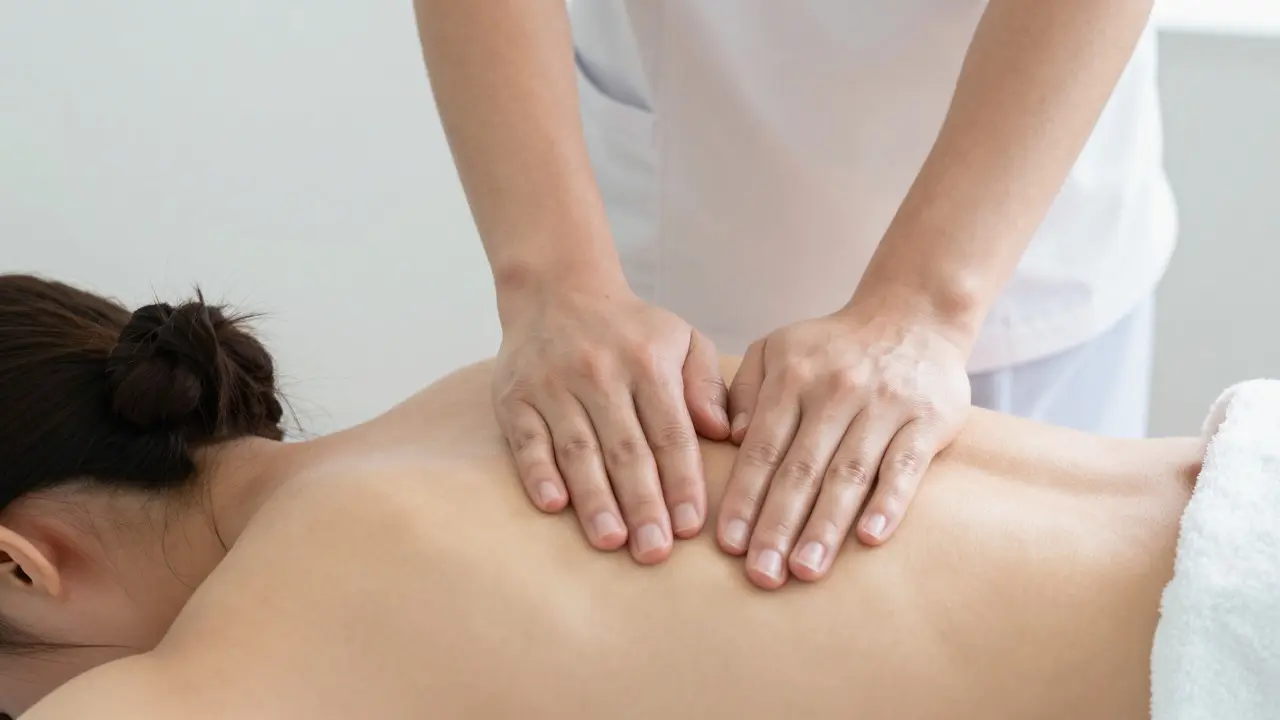
Imagine waking up with a sharp twinge in your lower back after years of sitting at a desk. You’ve tried ice packs, over-the-counter pills, and maybe even some stretching routines found on social media. Yet, the stiffness remains. This is where medical massage steps in-not as a luxury spa treatment, but as a targeted clinical intervention designed to accelerate healing and restore function.
Unlike traditional relaxation massages that focus on general well-being, medical massage is a therapeutic modality used by licensed professionals to treat specific injuries or conditions. It serves as a powerful tool in physical rehabilitation, often bridging the gap between acute injury and full recovery. If you are recovering from surgery, dealing with chronic pain, or trying to bounce back from an athletic injury, understanding how this therapy works can change your approach to healing.
What Exactly Is Medical Massage?
Medical massage is a systematic method of soft tissue manipulation focused on treating dysfunctional areas of the body. It is not one-size-fits-all. Instead, it is prescribed based on a diagnosis, much like a physical therapy plan. A therapist might use deep friction to break down scar tissue after a knee surgery or apply gentle myofascial release to alleviate tension headaches caused by poor posture.
The key difference lies in the intent and execution. While a Swedish massage aims to relax the entire body through long, gliding strokes, medical massage targets specific problem zones. The pressure varies significantly depending on the condition; sometimes it is light enough to stimulate circulation without aggravating inflammation, other times it is firm enough to remodel dense connective tissue. This precision requires a higher level of anatomical knowledge from the practitioner.
The Role of Medical Massage in Rehabilitation
Rehabilitation is about restoring movement and function. Medical massage supports this process by addressing the soft tissue components that often hold people back. When muscles tighten around an injured joint, they create a protective splint. While this feels safe initially, prolonged tightness leads to weakness, imbalance, and further injury. Medical massage helps reset these muscle lengths, allowing for better range of motion.
Consider a runner who has suffered a hamstring strain. After the initial rest period, the muscle fibers heal but may form adhesions-sticky bands of tissue that restrict glide. A therapist using cross-friction techniques can help align these fibers correctly. This doesn’t just reduce pain; it prepares the muscle to handle load again, reducing the risk of re-injury. In post-surgical contexts, such as after total knee replacement, medical massage can manage swelling and prevent the formation of excessive scar tissue that could limit bending.
Common Techniques Used in Clinical Settings
Therapists employ a variety of techniques tailored to the patient’s needs. Here are some of the most common methods you might encounter during a session:
- Myofascial Release: This involves applying gentle, sustained pressure into the restrictive fascia (the connective tissue surrounding muscles) to eliminate pain and restore motion. It is particularly effective for chronic postural issues.
- Trigger Point Therapy: Also known as ischemic compression, this technique applies direct pressure to hyper-irritable spots in skeletal muscle. These “knots” can refer pain to other parts of the body, so releasing them can provide immediate relief.
- Deep Tissue Massage: Using slow strokes and deep finger pressure, therapists target the inner layers of muscles and connective tissues. This is ideal for chronic patterns of tension, such as a perpetually tight neck or lower back.
- Cupping Therapy: Although ancient, cupping has seen a resurgence in sports medicine. By creating suction on the skin, it lifts the fascia and increases blood flow to the area, helping to flush out metabolic waste and reduce inflammation.
Each technique serves a distinct physiological purpose. For instance, while trigger point therapy focuses on localized pain referral, myofascial release addresses broader structural restrictions. A skilled therapist will often combine several approaches within a single session to achieve comprehensive results.
Benefits Beyond Pain Relief
While pain reduction is the most obvious benefit, medical massage offers several other advantages that contribute to overall rehabilitation outcomes:
| Benefit | Mechanism of Action | Impact on Recovery |
|---|---|---|
| Improved Circulation | Mechanical pressure pushes blood into capillaries | Delivers oxygen and nutrients needed for tissue repair |
| Reduced Inflammation | Stimulates lymphatic drainage | Decreases swelling and speeds up removal of cellular debris |
| Enhanced Range of Motion | Breaks down adhesions and stretches fascia | Allows joints to move freely without restriction |
| Pain Gate Modulation | Stimulates nerve endings to block pain signals | Reduces reliance on medication and improves sleep quality |
Better circulation means faster healing. When blood flows more efficiently, damaged tissues receive the building blocks they need to regenerate. Similarly, enhanced lymphatic drainage helps clear out inflammatory markers that linger after an injury. This systemic support creates an internal environment conducive to recovery, making subsequent physical therapy exercises more effective and less painful.
Who Should Consider Medical Massage?
Not everyone needs medical massage, but certain groups stand to gain significantly from incorporating it into their care plan. Athletes recovering from sprains, strains, or tears often use it to maintain mobility while healing. Office workers suffering from repetitive strain injuries, such as carpal tunnel syndrome or tennis elbow, find relief through targeted soft tissue work.
Individuals with chronic conditions like fibromyalgia or arthritis also benefit. For those with fibromyalgia, gentle myofascial release can reduce the widespread tenderness associated with the condition. Arthritis patients may experience improved joint lubrication and reduced stiffness after sessions. Post-operative patients, particularly those who have undergone orthopedic surgeries, frequently rely on medical massage to manage scar tissue and regain flexibility.
If you have been told that your pain is “musculoskeletal” in origin, medical massage is likely a viable option. However, it is crucial to consult with your primary healthcare provider or physical therapist first to ensure it complements your existing treatment plan.
Finding the Right Practitioner
Not all massage therapists are trained in medical modalities. Look for professionals who hold certifications in clinical massage, neuromuscular therapy, or orthopedic massage. Credentials such as LMT (Licensed Massage Therapist) combined with specialized training indicate a deeper understanding of anatomy and pathology.
During your initial consultation, expect a thorough assessment. The therapist should ask about your medical history, current symptoms, and goals. They may perform palpation tests to identify areas of tension or dysfunction. A good practitioner will explain what they are doing and why, ensuring you feel informed and comfortable throughout the process.
Avoid practitioners who promise instant cures or use overly aggressive techniques without explanation. Medical massage should be challenging but not excruciating. Communication is key-if something hurts too much, speak up. Adjustments in pressure or technique are normal and necessary for effective treatment.
Integrating Medical Massage with Other Therapies
Medical massage rarely works in isolation. It is most effective when combined with other rehabilitative strategies. Physical therapy exercises strengthen the muscles that massage loosens, creating a balanced approach to recovery. Chiropractic adjustments may become easier and more lasting when soft tissue restrictions are addressed beforehand.
For example, if you are seeing a chiropractor for sciatica, having a medical massage therapist address tight piriformis muscles can enhance the effectiveness of spinal manipulations. Similarly, incorporating yoga or Pilates after massage sessions can help maintain the gains made in flexibility and strength. This holistic approach ensures that improvements are sustained over time rather than being temporary fixes.
Cost and Insurance Coverage
One practical consideration is cost. Medical massage sessions typically range from $80 to $150 per hour, depending on location and practitioner expertise. Unlike standard relaxation massages, some insurance plans do cover medical massage if it is deemed medically necessary and prescribed by a physician.
To maximize coverage, keep detailed records of your treatments. Ask your therapist for documentation outlining the diagnosis, treatment plan, and progress notes. Submitting these to your insurance provider can increase the likelihood of reimbursement. Even if not fully covered, many people find the investment worthwhile given the potential to avoid more expensive interventions like surgery or long-term medication use.
Precautions and Contraindications
While generally safe, medical massage is not suitable for every situation. Certain conditions require caution or avoidance altogether. Acute infections, fever, or contagious diseases mean you should postpone your session until recovered. Deep vein thrombosis (DVT) is a serious contraindication, as massage could dislodge a clot. Always inform your therapist of any blood clots, recent surgeries, or pregnancy.
Osteoporosis patients need lighter pressure to avoid fracturing brittle bones. Cancer patients undergoing chemotherapy or radiation should consult their oncologist before starting massage therapy, as their bodies may be more sensitive. Skin conditions like rashes, burns, or open wounds in the treatment area also necessitate waiting until healed.
Transparency with your therapist is essential. Share your complete medical history, including medications that affect bleeding or sensation. This allows them to tailor the session safely and effectively, minimizing risks while maximizing benefits.
How many sessions of medical massage do I need?
The number of sessions varies widely depending on the severity of your condition. Acute injuries might improve after 2-4 sessions, while chronic issues could require weekly visits for several months. Your therapist will assess your progress and adjust the frequency accordingly. Consistency is key-spacing sessions too far apart can hinder cumulative benefits.
Does medical massage hurt?
It can be uncomfortable, especially when working on tight or inflamed areas, but it should not cause sharp or unbearable pain. Therapists aim for a "good hurt"-a sensation of release rather than agony. Communicate openly about your comfort level so they can adjust pressure. Post-session soreness is normal and usually subsides within 24-48 hours.
Can medical massage replace physical therapy?
No, they serve different but complementary roles. Physical therapy focuses on strengthening, stability, and functional movement through exercise. Medical massage addresses soft tissue restrictions, pain, and circulation. Together, they create a comprehensive rehabilitation strategy. Think of massage as preparing the ground for physical therapy to build upon.
Is medical massage covered by insurance?
Coverage depends on your plan and whether a physician deems it medically necessary. Some policies cover it under physical therapy benefits, while others exclude it entirely. Check with your insurer beforehand and ask your therapist for proper documentation, including CPT codes and diagnoses, to facilitate claims processing.
What should I wear to a medical massage appointment?
Wear loose, comfortable clothing that allows easy access to the affected area. Many therapists use draping techniques to expose only the part of the body being treated, maintaining modesty and warmth. You may undress to your level of comfort, but keeping underwear on is perfectly acceptable unless otherwise directed.