
The Invisible Web Holding You Together
Most of us think about muscles and bones when we talk about pain, but there is a hidden layer that actually dictates how you move. Imagine a thin, shimmering wrap that covers every single muscle, organ, and nerve in your body. That is myofascial release therapy is a specialized manual therapy technique that applies gentle, sustained pressure into myofascial connective tissue restrictions. It isn't just a deep tissue massage; it is a targeted approach to unfolding the body's internal tension.
When this web-known as fascia-gets tight or scarred from injury, poor posture, or chronic stress, it doesn't just stay in one spot. Because fascia is a continuous network, a restriction in your ankle could actually be pulling on your lower back. This is why you might feel a dull ache in your shoulder even though the real problem started with a wrist sprain three years ago. Does that sound familiar? That feeling of being "stuck" or "tight" regardless of how much you stretch is usually a fascia issue, not a muscle one.
| Feature | Swedish Massage | Deep Tissue Massage | Myofascial Release |
|---|---|---|---|
| Primary Goal | Relaxation & Blood Flow | Breaking Knot/Adhesions | Releasing Connective Tissue |
| Pressure Style | Light to Medium | Firm to Intense | Sustained & Gentle |
| Duration of Hold | Brief/Rhythmic | Moderate | Long (3-5 minutes per area) |
| Focus Area | General Muscle Surface | Specific Muscle Layers | The Entire Fascial Web |
How Your Body Actually Stores Stress
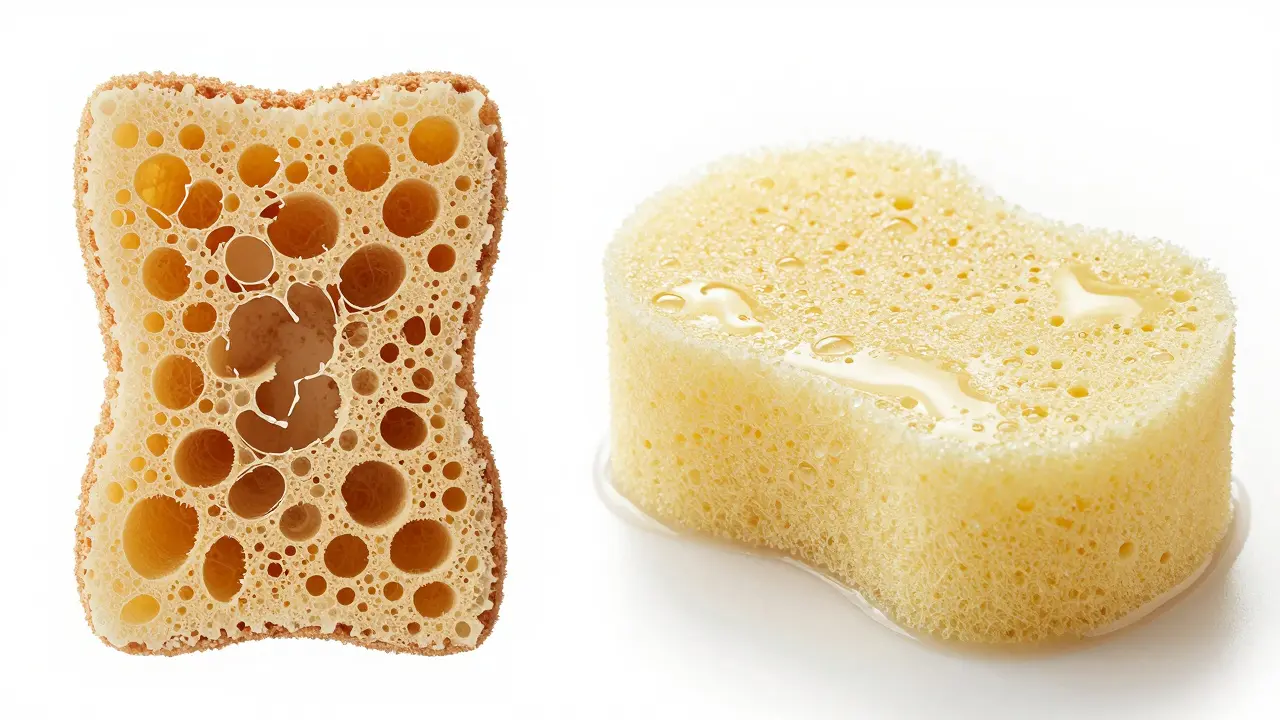
To understand how this therapy works, you have to look at the extracellular matrix. This is the biological "glue" that keeps everything in place. In a healthy state, fascia is flexible and hydrated, like a fresh sponge. But when we experience trauma-whether it's a car accident, a long-term desk job, or even emotional distress-the fascia thickens and becomes less pliable. This creates myofascial trigger points, which are essentially tight knots where the fascia has clumped together.
When a therapist performs this work, they aren't trying to "rub out" a knot. Instead, they apply a slow, stretching pressure. They wait for the tissue to give way. It's a bit like trying to melt a piece of hard candy; if you push too hard and fast, it just breaks. If you apply steady heat and pressure, it slowly dissolves. This process allows the fluid to move back into the tissue, restoring elasticity and removing the mechanical pressure on your nerves.
Real-World Benefits for Chronic Pain
Many people turn to this approach when they've tried everything else. If you have fibromyalgia or chronic migraine headaches, you know that standard painkillers often just mask the symptoms. Because myofascial release targets the source of the restriction, it can provide lasting relief. For instance, someone struggling with chronic pelvic pain might find that the tension is actually coming from a restricted diaphragm and hip fascia, not just the pelvic region.
Common outcomes include a significant increase in range of motion. Imagine being able to reach the top shelf without a sharp pinch in your shoulder, or waking up without that stiff-necked feeling that makes you want to avoid moving for the first hour of the day. By releasing the tension in the connective tissue, you're essentially giving your joints more room to breathe. It's not about forcing a stretch; it's about removing the barrier that prevents the stretch from happening naturally.
The Process: What Happens in a Session
If you've never had a session, don't expect a typical spa experience. There is usually no oil used, and you won't be experiencing the rhythmic kneading of a Swedish massage. Instead, the practitioner will spend a lot of time observing your posture and movement. They are looking for the "pull" in your system. They might start working on your leg to treat a pain in your neck because they can feel the tension traveling through the deep fascia.
- Assessment: The therapist checks your alignment and asks about past injuries.
- Sustained Pressure: They find a restricted area and apply a gentle, steady hold.
- The Release: You will feel a sensation of "melting" or a sudden shift in the tissue.
- Integration: The therapist moves to connected areas to ensure the whole chain is open.
A key part of this process is the communication between the therapist and the patient. Since fascia responds to the nervous system, you have to be in a state of relaxation for the release to happen. If you are bracing your muscles or holding your breath, the fascia will stay tight. This is why the holistic element is so vital; you have to consciously let go of the tension to allow the physical release to occur.
Self-Care and Home Tools
You don't always need a professional to maintain your fascial health. While professional therapy is best for deep-seated restrictions, you can manage daily tension using foam rolling or using a tennis ball. The goal here is "self-myofascial release." By using your own body weight to apply pressure to a trigger point, you can help keep the tissue hydrated and flexible.
A great rule of thumb: if the pain is sharp, stop. Fascial release should feel like a "good hurt"-a deep, satisfying stretch. If you're bruising the tissue, you're actually creating more inflammation, which leads to more scarring. Focus on breathing into the tension. Spend at least 90 seconds on a single spot; any less and you're just massaging the surface without actually affecting the connective tissue.

Common Pitfalls to Avoid
One of the biggest mistakes people make is confusing myofascial release with aggressive deep tissue work. Some practitioners try to "dig" into the muscle with their elbows. While that might feel like it's doing something in the moment, it often triggers a protective response in the body. When the brain perceives a threat (like extreme pain), it signals the muscles to tighten up even further. This creates a cycle of tension and pain.
Another common error is neglecting hydration. Fascia is primarily composed of water and collagen. If you are dehydrated, your fascia becomes sticky and brittle, making the therapy less effective. Think of it like a dried-out sponge; it's hard and resistant. Once you add water, it becomes supple and flexible again. Drinking plenty of water before and after a session is not just a suggestion-it's a requirement for the tissue to actually reshape itself.
Is myofascial release painful?
It can be intense, but it shouldn't be excruciating. You might feel a deep stretching sensation or some pressure, but if you find yourself holding your breath or tensing up, the pressure is too high. The most effective releases happen when the body is relaxed.
How many sessions do I need to feel a difference?
Some people feel immediate relief in their range of motion after one session. However, for chronic conditions like scoliosis or long-term injuries, it usually takes a series of 4 to 8 sessions to permanently reshape the fascia and break down old scar tissue.
Can I do this at home with a foam roller?
Yes, foam rolling is a form of self-myofascial release. It's excellent for maintenance and preventing stiffness. However, it cannot replace a professional therapist who can identify the exact origin of a restriction and apply specific, sustained pressure to the correct anatomical chain.
Who should avoid myofascial release?
People with severe osteoporosis, active blood clots (DVT), or acute inflammatory conditions like rheumatoid arthritis during a flare-up should avoid this therapy. Always consult a doctor if you have a medical condition that affects your bone density or blood circulation.
What is the difference between a trigger point and a fascial restriction?
A trigger point is usually a hyper-irritable spot within a muscle fiber. A fascial restriction is a thickening or "gluing" of the connective tissue that surrounds the muscle. While they often happen in the same spot, treating the fascia involves slower, broader pressure than the direct, pinpoint pressure used for trigger points.
Moving Forward with Your Healing Journey
If you've been dealing with a nagging pain that doesn't seem to have a clear cause, it's time to stop looking at the muscles and start looking at the web. Whether you choose a professional therapist or start with a simple foam roller at home, the goal is the same: creating space in your body. When you release the fascia, you aren't just fixing a pain point; you're improving the way your entire body communicates and moves.
Keep in mind that healing isn't a straight line. Some days you'll feel incredibly loose, and other days the tension might return, especially if you've been stressed or sitting at a desk for ten hours. The key is consistency. Combine your releases with gentle movement, like yoga or swimming, and keep your hydration levels high. Your body is designed to be fluid and flexible-sometimes it just needs a little help to remember how.