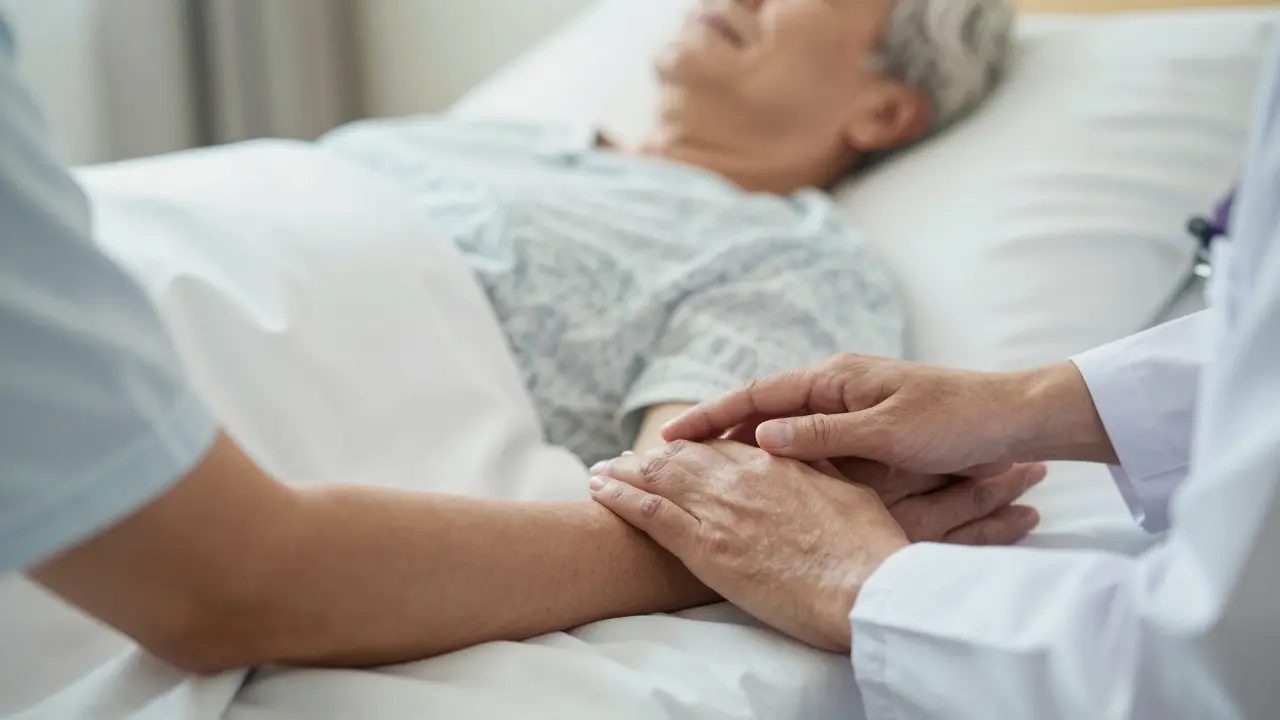
Imagine the weight of a heavy blanket lifted from your shoulders. Not physically, but mentally. For someone facing a terminal illness, that sensation is rare. Palliative massage is a specialized form of gentle touch therapy designed to provide comfort, reduce pain, and improve quality of life for patients with serious or terminal illnesses. It is not about curing disease. It is not about fixing muscles. It is about presence. In standard massage therapy, we often aim to break up knots or improve athletic performance. In palliative settings, the goal shifts entirely. The patient might be bedbound, frail, or experiencing severe side effects from chemotherapy. A deep tissue massage here would be cruel. Instead, we use light, rhythmic touches that signal safety to the nervous system. This approach transforms the clinical environment into a space of dignity and peace. You might wonder if this is just a luxury. Research suggests otherwise. Studies published in journals like the Journal of Pain and Symptom Management indicate that regular gentle touch can significantly lower cortisol levels and reduce the perception of pain. When medication isn't enough, or when side effects make drugs difficult to tolerate, touch becomes a primary tool for relief.
The Core Philosophy of Palliative Touch
To understand why this works, you have to look at the physiology of stress. When a person is ill, their body is in a constant state of "fight or flight." The sympathetic nervous system is overactive. Heart rate spikes. Breathing becomes shallow. Muscles tighten involuntarily. Palliative care focuses on relieving the symptoms and stress of a serious illness without aiming to cure it. Massage intervenes by activating the parasympathetic nervous system-the "rest and digest" mode. This activation doesn't require force. In fact, pressure must often be extremely light. Think of it as brushing dust off a delicate flower. The therapist uses long, slow strokes, often without oil, or with very little. The focus is on the face, hands, feet, and arms-areas that are accessible even when a patient cannot turn over. This accessibility is crucial because mobility is often severely limited in these stages. The emotional component is equally important. Hospital rooms are cold and impersonal. Staff move quickly. Family members hover with anxiety. A palliative massage therapist enters the room with intention. They sit down. They make eye contact. They ask permission for every movement. This restores a sense of agency to the patient, who has likely lost control over many aspects of their life due to their condition.
Key Techniques Used in Hospice Settings
You won't find complex joint mobilizations or intense stretching here. The toolkit is small but precise. Here are the most common techniques used by trained practitioners:
- Effleurage (Light Stroking): Long, gliding strokes that follow the direction of blood flow toward the heart. This promotes circulation without straining the body.
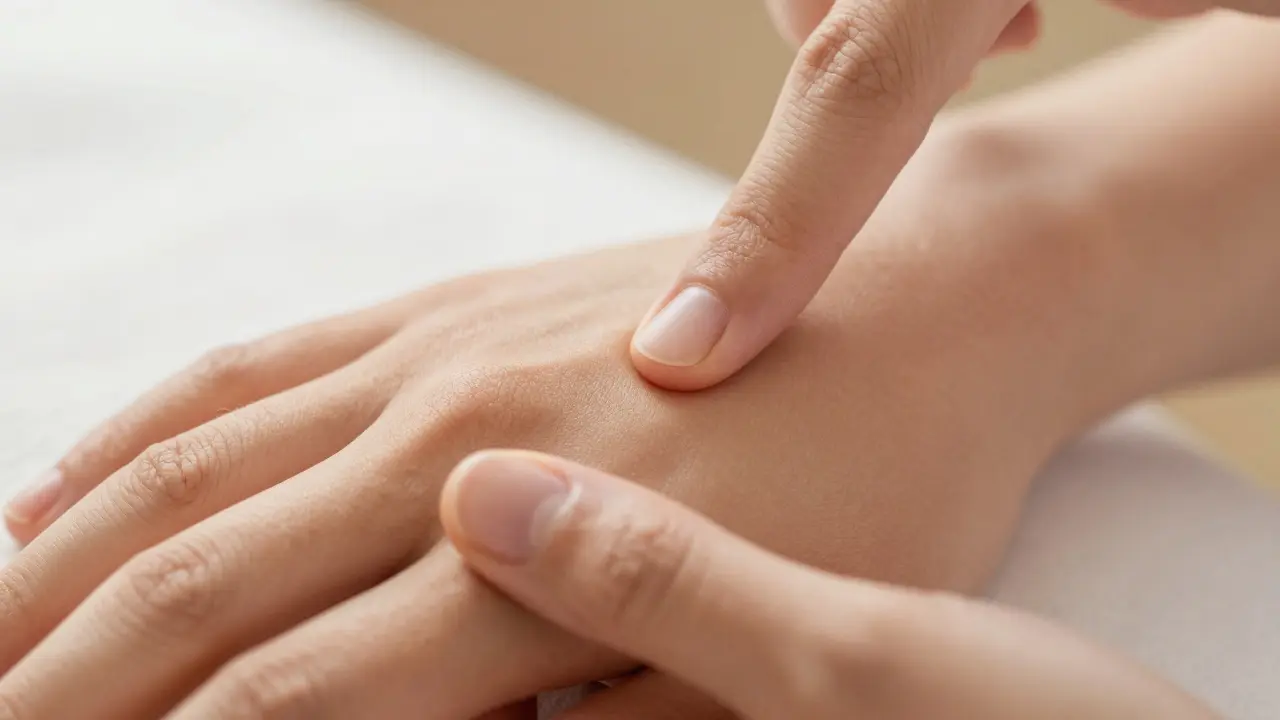
- Hand and Foot Reflexology: Gentle pressure on specific points in the hands and feet. These areas are less sensitive than the back and offer significant relaxation benefits.
- Facial Massage: Using fingertips to gently stroke the forehead, cheeks, and jaw. This helps relieve tension headaches and reduces the appearance of distress.
- Shiatsu-Style Pressure: Very light thumb pressure on acupressure points, particularly around the wrists and temples, to ease nausea or anxiety.
- Static Hold: Simply placing a warm hand on the chest or abdomen for several minutes. This provides grounding and reassurance without any movement.
Physical and Emotional Benefits
Why do families request this? Often, they see the physical changes first. After a session, breathing tends to deepen. Sleep improves. Muscle spasms decrease. But the emotional shifts are where the real impact lies. Anxiety is a major companion to terminal illness. The fear of the unknown, the pain, and the separation from loved ones create a mental burden that is exhausting. Touch releases oxytocin, the bonding hormone. This chemical reaction reduces feelings of isolation. Patients report feeling "seen" and "cared for" in a way that words cannot convey. For family caregivers, the benefits extend outward. Watching a loved one relax brings immense relief to those who have been watching them suffer. It gives them a moment to breathe too. Some therapists involve family members in simple techniques, teaching them how to hold a hand or stroke an arm. This empowers the family to continue providing comfort after the therapist leaves.
| Feature | Standard Massage | Palliative Massage |
|---|---|---|
| Primary Goal | Muscle recovery, stress relief | Comfort, symptom management |
| Pressure Level | Medium to Deep | Very Light to Feather-light |
| Positioning | Face-down on table | In bed, chair, or upright |
| Duration | 60-90 minutes | 15-45 minutes (as tolerated) |
| Focus Areas | Back, legs, full body | Hands, feet, face, arms |
Safety Considerations and Contraindications
Not every patient is a candidate for massage, and not every part of the body should be touched. Safety is paramount. A qualified palliative massage therapist will always consult with the medical team before starting treatment. There are specific conditions that require caution or complete avoidance of touch.
Thrombosis (blood clots) is a critical contraindication. Massaging a limb with a deep vein thrombosis can dislodge a clot, leading to a pulmonary embolism, which is fatal. Similarly, areas with active infections, open wounds, or recent surgeries must be avoided. Radiation therapy can make skin paper-thin and prone to tearing; in these cases, indirect touch through clothing may be the only option.
Bone metastases are another concern. If cancer has spread to the bones, those areas become brittle. Even light pressure could cause a fracture. The therapist must know exactly where the lesions are located. This requires clear communication between the healthcare providers and the massage professional.
Always ensure the therapist is certified in Hospice and Palliative Care Massage. General massage certification does not cover these complex medical nuances. Look for credentials from recognized bodies that include training in anatomy, pathology, and ethical boundaries in end-of-life care.
How do you actually get this service? In many private hospitals and hospice centers, massage is offered as part of the multidisciplinary team. However, in home-based care, families often need to seek out independent practitioners.
Start by asking the patient's primary nurse or palliative care coordinator for referrals. They usually have a list of trusted therapists who understand the medical complexities. If you are hiring privately, interview the therapist. Ask about their experience with specific conditions relevant to your loved one. Do they work with oncology patients? Do they understand dementia-related agitation?
Consistency matters more than duration. A 15-minute session twice a week is often more beneficial than a single hour-long session once a month. Regularity helps the patient anticipate comfort rather than surprise. It builds trust. Over time, the patient may begin to associate the therapist's presence with safety, reducing baseline anxiety levels.
Cost can be a barrier. Check if your health insurance covers complementary therapies under palliative care plans. In some regions, government-funded hospice programs include non-medical support services. If not, consider community grants or charitable organizations that fund quality-of-life interventions for terminally ill patients.
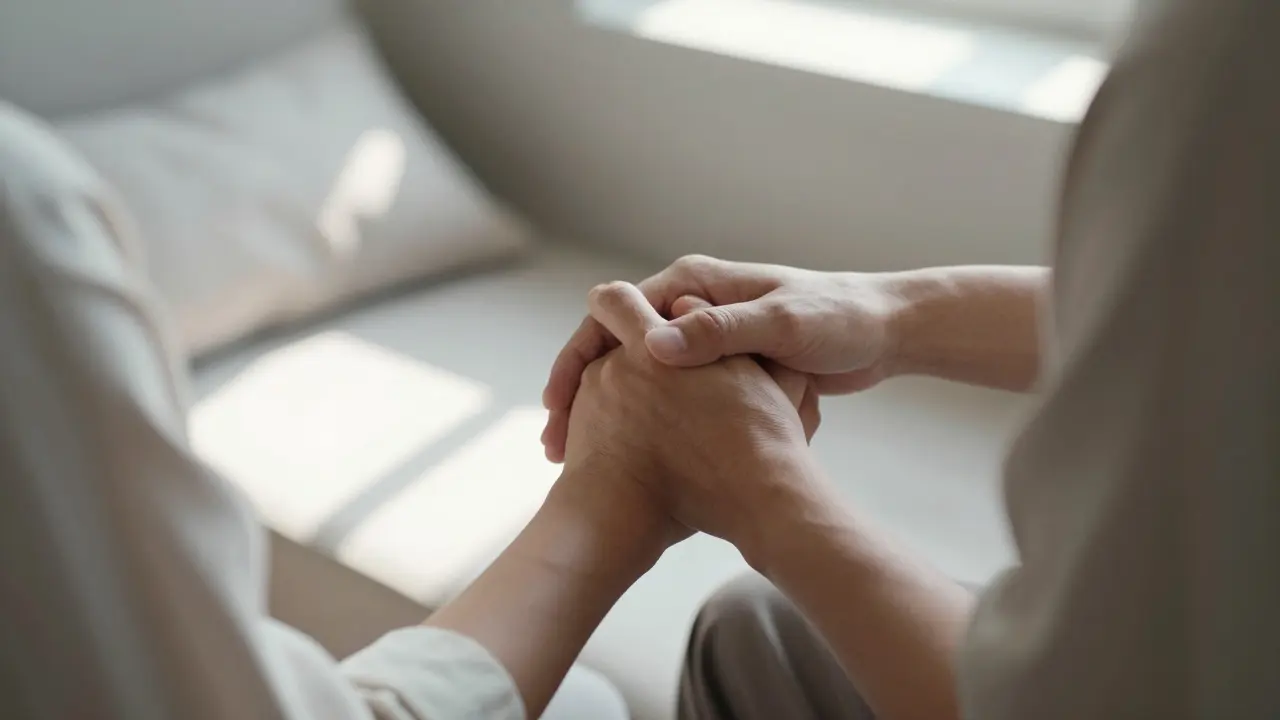
You don't have to wait for a professional to provide comfort. Simple touch can be integrated into daily care routines. Holding a hand, stroking hair, or warming a towel to place on the forehead are all forms of therapeutic touch.
However, there are boundaries. If the patient is in acute pain, touch might be irritating. Read their cues. If they pull away, stop immediately. Respect is the foundation of palliative care. Never force interaction. Sometimes, simply sitting quietly nearby is the most powerful gesture.
Caregiver burnout is real. Taking time to receive a massage yourself can help you stay present for your loved one. You cannot pour from an empty cup. Prioritizing your own well-being allows you to offer genuine, calm comfort rather than stressed, hurried assistance.
There comes a time when even gentle touch may no longer be appropriate. As death approaches, the body undergoes final changes. Sensitivity increases. Breathing patterns become irregular. At this stage, the focus shifts entirely to verbal reassurance and auditory presence, as hearing is often the last sense to fade.
A skilled therapist will recognize these signs and adapt accordingly. They may transition from physical massage to guided imagery or quiet companionship. This flexibility ensures that the patient never feels overwhelmed or disturbed during their final hours. The goal remains the same: dignity, peace, and connection until the very end.
No, it is not safe for everyone without assessment. Conditions like blood clots (thrombosis), bone metastases, active infections, or fragile skin from radiation require extreme caution or avoidance. Always consult with the medical team and ensure the therapist is specifically trained in palliative care protocols to avoid complications. Sessions are typically shorter than standard massages, ranging from 15 to 45 minutes. The duration depends entirely on the patient's energy levels and tolerance. It is better to err on the side of brevity to prevent fatigue. Consistency over time is more valuable than length of a single session. Yes, but with guidance. Simple techniques like holding hands, gentle foot rubs, or facial strokes can be done by family members. However, for deeper therapeutic benefits and to ensure safety regarding medical contraindications, it is best to have a trained professional lead the sessions initially and teach you safe methods. Coverage varies widely by region and provider. Some comprehensive health plans and government-funded hospice programs include complementary therapies. Private insurance rarely covers it unless prescribed as part of a broader pain management plan. Check with your insurer and local hospice organizations for potential subsidies or grants. Look for a licensed massage therapist who has additional certification in hospice and palliative care. They should have training in anatomy, pathology, and ethics related to end-of-life care. Experience working with oncology or geriatric patients is also a strong indicator of competence in handling fragile bodies and complex emotional needs.Integrating Massage into a Care Plan
The Role of the Family
When to Stop
Is palliative massage safe for everyone?
How long should a palliative massage session last?
Can I perform palliative massage on my loved one?
Does insurance cover palliative massage?
What qualifications should a palliative massage therapist have?