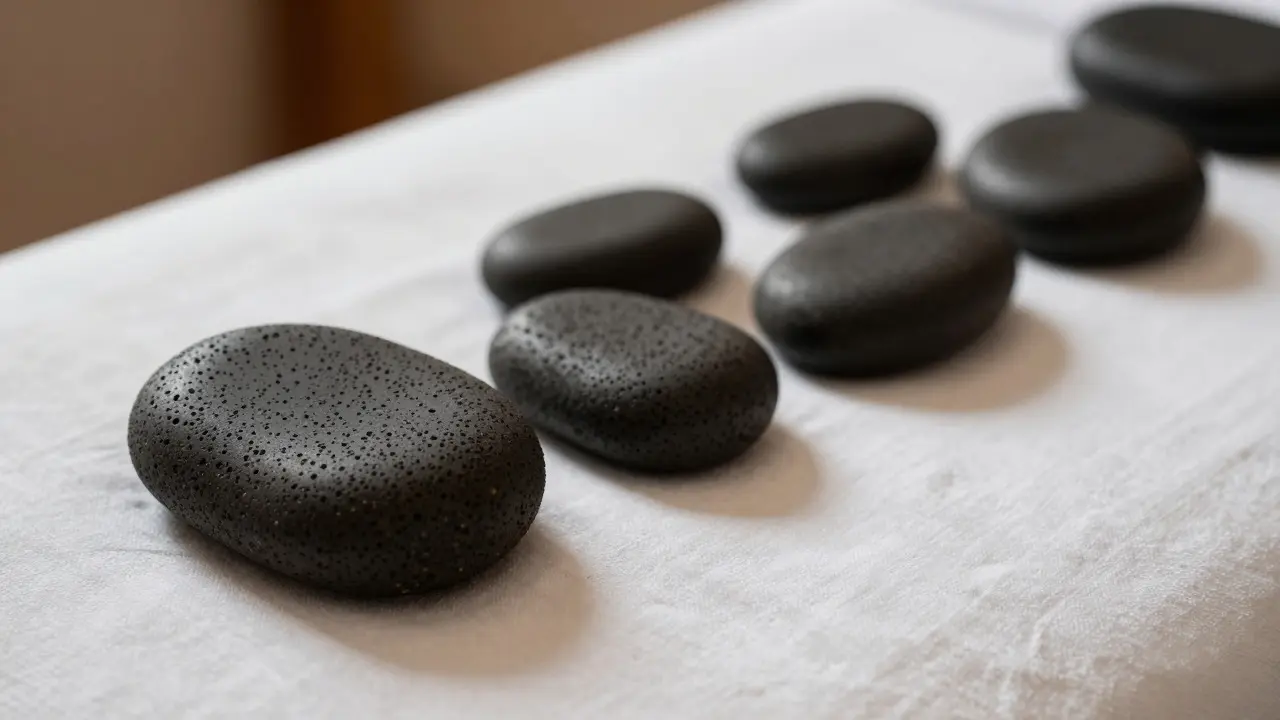
Have you ever walked out of a treatment feeling like your muscles had finally remembered how to relax? That deep, melting sensation often comes from stone therapy, a practice that uses heated or chilled stones to manipulate soft tissue and energy flow. It’s not just about warmth; it’s a precise method for releasing tension that standard hands-on massage sometimes misses.
In this guide, we’ll break down exactly how stone therapy works, the different types available, and what you can realistically expect from a session. Whether you’re dealing with chronic back pain or just need to unwind after a stressful week, understanding this modality helps you get the most out of your visit.
What Is Stone Therapy?
Stone therapy is a form of alternative medicine that involves placing smooth, heated, or cooled stones on specific points of the body to promote relaxation, relieve muscle tension, and improve circulation. While it sounds simple, the technique relies on the thermal properties of the stones to penetrate deeper into the muscle tissue than fingers alone can reach.
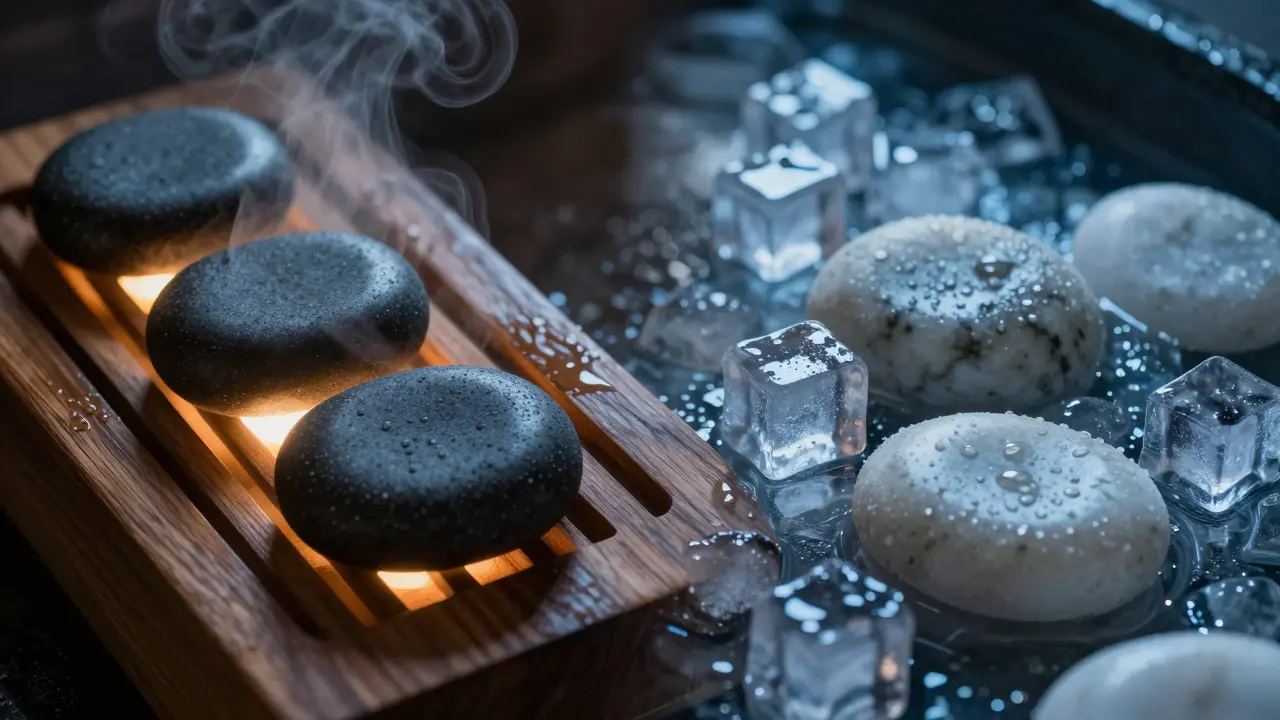
The stones used are almost always basalt, a type of volcanic rock known for its ability to retain heat effectively. Basalt stones are dense and smooth, allowing them to hold temperature without burning the skin. For cooling effects, therapists may use marble or other dense stones that maintain chill well.
This practice isn’t new. Indigenous cultures in the Americas have used heated stones for healing rituals for centuries. In modern times, it has been integrated into Western massage therapy as a complementary technique. Today, it’s a staple in many spas and clinics because it bridges the gap between physical massage and energy work.
Hot vs. Cold Stone Therapy: Knowing the Difference
Not all stone therapies are the same. The choice between hot and cold depends entirely on your goal. Most sessions combine both, but understanding their distinct roles helps you communicate better with your therapist.
| Feature | Hot Stone Therapy | Cold Stone Therapy |
|---|---|---|
| Primary Goal | Muscle relaxation, stress relief | Reducing inflammation, soothing acute pain |
| Best For | Chronic tension, anxiety, poor circulation | Sprains, swelling, migraines, overheating |
| Temperature | 120°F - 135°F (49°C - 57°C) | Cooled in ice water or refrigerated |
| Physiological Effect | Vasodilation (widening of blood vessels) | Vasoconstriction (narrowing of blood vessels) |
Hot stones act like an extension of the therapist’s hands. When placed on trigger points, they warm the muscle fibers, making them more pliable. This allows for deeper pressure without causing discomfort. Cold stones, on the other hand, numb the area and reduce metabolic activity, which is crucial for calming inflamed tissues.
Key Health Benefits of Stone Therapy
Why do people keep coming back for stone therapy? The benefits go beyond just feeling good during the session. Here’s what the research and clinical experience suggest:
- Deep Muscle Relaxation: Heat penetrates deeper than superficial warmth, helping to release knots in the trapezius, lower back, and hamstrings.
- Pain Relief: By improving blood flow and reducing muscle stiffness, stone therapy can alleviate chronic pain conditions like fibromyalgia and arthritis.
- Stress Reduction: The rhythmic placement of stones and the gentle heat activate the parasympathetic nervous system, lowering cortisol levels and heart rate.
- Better Sleep: Many clients report improved sleep quality after sessions due to reduced physical tension and mental calmness.
- Enhanced Circulation: Vasodilation caused by heat helps oxygen and nutrients reach tissues more efficiently, aiding recovery.
If you suffer from insomnia or high stress, stone therapy offers a non-invasive way to reset your body’s baseline state. It’s particularly effective when combined with aromatherapy, where essential oils amplify the relaxation response.
What to Expect During a Session
First-time visitors often wonder if stone therapy is painful or strange. It’s neither. A typical session lasts 60 to 90 minutes and follows a structured flow.
- Consultation: Your therapist will ask about injuries, sensitivities, and goals. This is crucial for safety, especially if you have circulatory issues or diabetes.
- Preparation: You’ll lie face down on a massage table. The therapist heats basalt stones in a specialized warmer to a safe temperature (usually around 120-135°F).
- Application: Stones are placed on key areas: between shoulder blades, under feet, along the spine, and on palms. They may also be held in the therapist’s hands to glide over your muscles with oil.
- Integration: The therapist alternates between static placement and active massage, using the stones’ weight and heat to deepen the work.
- Closure: The session ends with a cool-down period, often including cold stones on the head or eyes to balance the heat.
You might feel a tingling sensation or a deep sense of heaviness as the heat sinks in. If a stone feels too hot, speak up immediately. Good therapists monitor comfort levels constantly.
Who Should Avoid Stone Therapy?
While generally safe, stone therapy isn’t for everyone. Certain medical conditions require caution or complete avoidance. Always disclose your health history before booking.
- Diabetes: Reduced sensation in extremities can lead to burns without the client realizing it.
- Circulatory Disorders: Conditions like deep vein thrombosis (DVT) or severe varicose veins can be aggravated by heat and increased blood flow.
- Acute Injuries: Fresh sprains, fractures, or open wounds should not be treated with heat.
- Pregnancy: Especially in the first trimester, excessive heat and certain pressure points are discouraged.
- Skin Sensitivities: Eczema, psoriasis flare-ups, or recent sunburns make skin too sensitive for direct stone contact.
If you have any doubts, consult your doctor first. A reputable therapist will also screen you thoroughly and adjust techniques accordingly.
How to Choose a Qualified Practitioner
Not all massage therapists are trained in stone therapy. To ensure safety and effectiveness, look for these credentials:
- Certification: Check if they hold a license in massage therapy and additional certification in hot/cold stone techniques.
- Experience: Ask how long they’ve been practicing stone therapy specifically. Experience matters in judging temperature and pressure.
- Hygiene Standards: Stones must be cleaned and sanitized between every client. Reputable clinics use hospital-grade disinfectants.
- Professionalism: A good practitioner explains the process, checks in on comfort, and respects boundaries.
Avoid places that offer stone therapy as an add-on without proper training. Improperly heated stones can cause serious burns, and untrained handling can strain muscles instead of relaxing them.
DIY Stone Therapy at Home: Safety First
Can you do this at home? Technically yes, but with major caveats. Professional setups use calibrated warmers that maintain consistent temperatures. Home attempts often rely on ovens or microwaves, which create uneven heating and burn risks.
If you want to try a mild version:
- Use only smooth, polished basalt stones designed for therapeutic use.
- Heat them in a dedicated stone warmer, never in an oven unless it’s a low setting (under 150°F) and monitored closely.
- Always wrap stones in a thin cloth or towel before placing them on skin.
- Never leave stones on one spot for more than 5-10 minutes.
- Start with short sessions (15-20 minutes) to gauge tolerance.
Remember, DIY lacks the expertise to address trigger points safely. For deep tissue work, professional guidance is worth the investment.
Is stone therapy painful?
No, stone therapy should not be painful. The heat relaxes muscles, allowing for deeper pressure without discomfort. If you feel sharp pain or burning, inform your therapist immediately so they can adjust the temperature or technique.
How often should I get stone therapy?
For general relaxation, once a month is sufficient. For chronic pain or stress management, weekly or bi-weekly sessions may be recommended initially, tapering off as symptoms improve. Listen to your body’s needs.
Does stone therapy really help with anxiety?
Yes. The combination of heat, touch, and rhythmic movement stimulates the vagus nerve, which helps regulate the nervous system. Studies show significant reductions in cortisol levels and self-reported anxiety scores after stone therapy sessions.
Are there any side effects?
Side effects are rare but can include minor skin redness or temporary dizziness from relaxation. Serious risks like burns occur only with improper technique or equipment. Always choose certified professionals to minimize risk.
Can I combine stone therapy with other treatments?
Absolutely. Stone therapy pairs well with aromatherapy, reflexology, and traditional Swedish massage. Many clinics offer hybrid sessions that integrate multiple modalities for enhanced benefits.