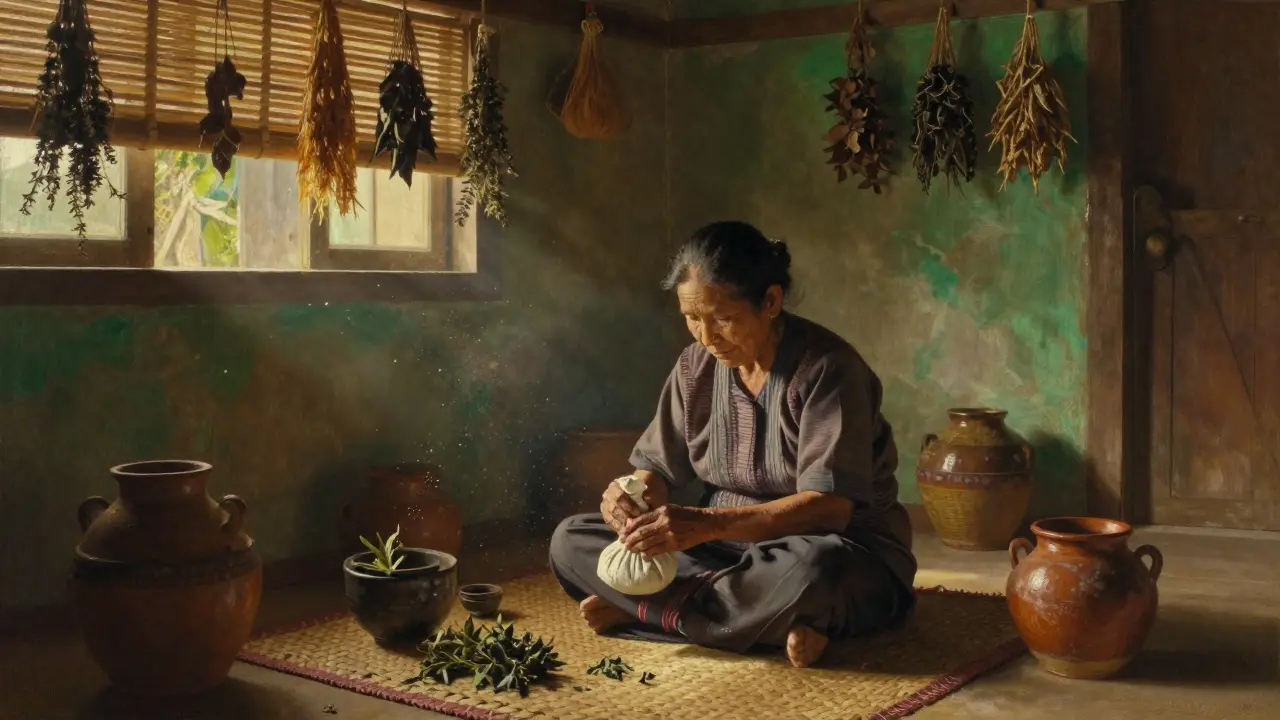
Have you ever felt a deep, lingering ache in your muscles that just wouldn't go away, no matter how much rest you got? You might be familiar with Western massages, but there is an ancient practice gaining traction globally that offers a different kind of relief. It’s called Hilot. This traditional Filipino healing technique is not just about relaxation; it is a comprehensive system designed to restore balance to the body and spirit. As people search for natural alternatives to pharmaceuticals and invasive procedures, Hilot is stepping out of the shadows of history and into the modern wellness spotlight.
For centuries, Hilot has been the go-to remedy in Philippine households. Today, it is finding its way into clinics and spas worldwide, including here in Little Rock. But what exactly makes this practice so effective? And why are more people turning to their hands instead of pills? Let’s explore the roots, methods, and real-world benefits of this rising healing art.
What Is Hilot? Understanding the Roots
Hilot is a traditional Filipino healing practice that combines massage, herbal medicine, and spiritual rituals to treat physical ailments and promote overall well-being. The word itself comes from the Tagalog verb "ihilot," which means "to pull" or "to draw." This linguistic root gives us our first clue about the technique: it is active, intentional, and focused on movement.
Unlike standard Swedish massage, which focuses primarily on muscle relaxation through long, gliding strokes, Hilot is therapeutic. It addresses specific conditions like back pain, joint stiffness, and even digestive issues. Historically, Hilot practitioners, known as mananahilot, were community healers who served entire villages. They didn’t just treat symptoms; they looked at the person as a whole-body, mind, and spirit.
The practice dates back hundreds of years, predating Spanish colonization in the Philippines. It was passed down orally from generation to generation, often within families. Because of this oral tradition, there is no single "textbook" for Hilot. Instead, styles vary by region. In Luzon, you might find a focus on bone-setting techniques, while in Visayas, the emphasis might lean more toward herbal compresses and spiritual cleansing. This diversity is part of its charm and effectiveness.
The Core Techniques: More Than Just Massage
If you walk into a Hilot session expecting a light, fluffy rubdown, you will be surprised. Hilot is robust. It involves a combination of techniques that work together to break up tension and improve circulation. Here is what typically happens during a session:
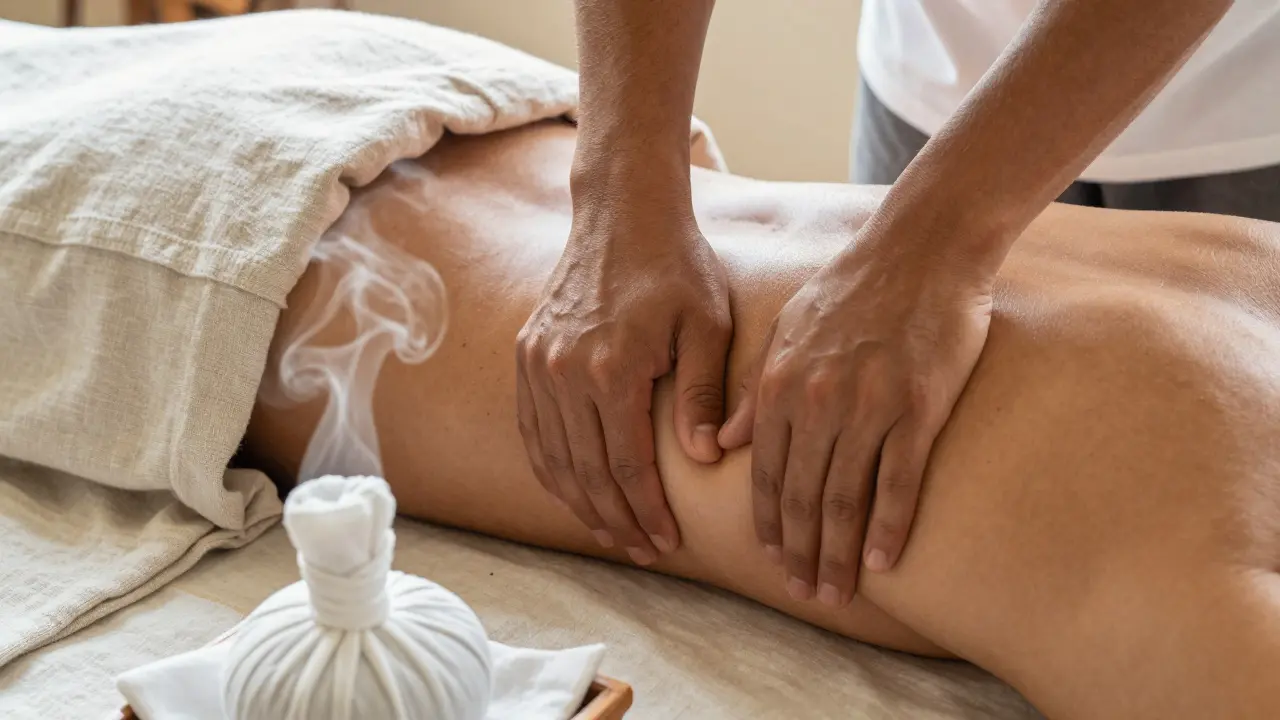
- Kupot (Pulling): This is the signature move. The practitioner uses their fingers, thumbs, and palms to apply firm pressure along the muscles and meridians. Think of it as deep tissue massage, but with a rhythmic, pulling motion intended to "draw out" toxins and stagnation.
- Dumi (Herbal Poultice): Often used alongside manual manipulation, hot herbal packs are applied to the body. These packs usually contain leaves like bayabas (guava) or malunggay (moringa), which are heated and wrapped in cloth. The heat opens pores, allowing the herbs’ anti-inflammatory properties to penetrate the skin.
- Buhat (Lifting): For issues related to posture or minor misalignments, the healer may use lifting techniques to gently adjust the spine or joints. This isn’t the aggressive cracking you might see in chiropractic care, but a subtle realignment.
- Albularyo Rituals: In traditional settings, especially for chronic or unexplained illnesses, a Hilot session may include prayer or chanting. While modern clinical Hilot often skips this, many practitioners believe that calming the spirit is essential for physical healing.
The key difference between Hilot and other modalities is the intent. A Swedish massage aims to relax. A sports massage aims to prepare or recover muscles. Hilot aims to cure. It treats the body as a network of energy channels, similar to concepts in Traditional Chinese Medicine, but with a distinctly Filipino flavor.
Why Hilot Is Gaining Popularity Now
You might wonder, "Why now? Why is Hilot trending in 2026?" Several factors are driving this rise. First, there is a global shift toward holistic health. People are tired of being treated as a collection of separate parts. They want therapies that address the root cause of their discomfort, not just mask the pain.
Second, the diaspora plays a huge role. Millions of Filipinos live abroad, bringing their culture-and their healing traditions-with them. In cities with large Filipino communities, such as Los Angeles, New York, and increasingly smaller hubs like Little Rock, demand for authentic cultural practices has skyrocketed. Non-Filipino clients are also discovering Hilot through word-of-mouth and social media, drawn by testimonials of dramatic pain relief.
Third, scientific curiosity is catching up. While Hilot is rooted in tradition, its mechanisms align with modern physiology. The deep pressure improves blood flow, reduces inflammation, and releases endorphins. Recent studies on traditional Asian massage therapies have shown promising results for chronic lower back pain and osteoarthritis. Hilot fits neatly into this growing body of evidence-based alternative medicine.
Hilot vs. Other Massage Therapies: A Comparison
To understand where Hilot fits in the wellness landscape, it helps to compare it with other popular massage types. Here is a breakdown of how Hilot stacks up against Swedish, Deep Tissue, and Thai massage.
| Feature | Hilot | Swedish Massage | Deep Tissue | Thai Massage |
|---|---|---|---|---|
| Primary Goal | Healing & Balance | Relaxation | Pain Relief | Flexibility & Energy Flow |
| Pressure Level | Moderate to Firm | Light to Moderate | Firm to Very Firm | Varies (Stretching) |
| Techniques Used | Pulling, Herbal Compresses, Lifting | Effleurage, Petrissage | Slow Strokes, Trigger Point | Yoga-like Stretches, Acupressure |
| Clothing | Usually Fully Clothed | Nude (Under Sheet) | Nude (Under Sheet) | Fully Clothed |
| Best For | Chronic Pain, Post-Partum, Misalignment | Stress, General Relaxation | Knots, Muscle Tension | Stiffness, Mobility |
Notice that Hilot shares some similarities with Thai massage, particularly in terms of clothing and the focus on energy lines. However, Hilot is less about acrobatic stretching and more about manual manipulation of soft tissues and bones. It is also distinct from Deep Tissue because it incorporates herbal remedies and a holistic diagnostic approach.
Who Can Benefit from Hilot?
Hilot is versatile, but it shines in specific scenarios. If you fall into any of these categories, you might want to try it:
- New Mothers: In the Philippines, Hilot is traditionally given to women after childbirth to help the uterus return to its normal size, reduce swelling, and ease back pain. This post-partum care is known as Hilot sa Pagbubuntis.
- Office Workers: Sitting at a desk all day leads to "tech neck" and lower back pain. Hilot’s pulling techniques can effectively release the tight trapezius and lumbar muscles.
- Athletes: Like sports massage, Hilot helps with recovery. However, the herbal compresses add an extra layer of anti-inflammatory benefit that oils alone cannot provide.
- Elderly Individuals: For arthritis and general stiffness, the gentle yet firm pressure of Hilot can improve mobility without the risk of injury associated with more aggressive manipulations.
It is important to note that Hilot is not a substitute for emergency medical care. If you have broken bones, severe trauma, or acute infections, see a doctor first. Hilot works best for chronic, non-emergency conditions.
Finding a Qualified Hilot Practitioner
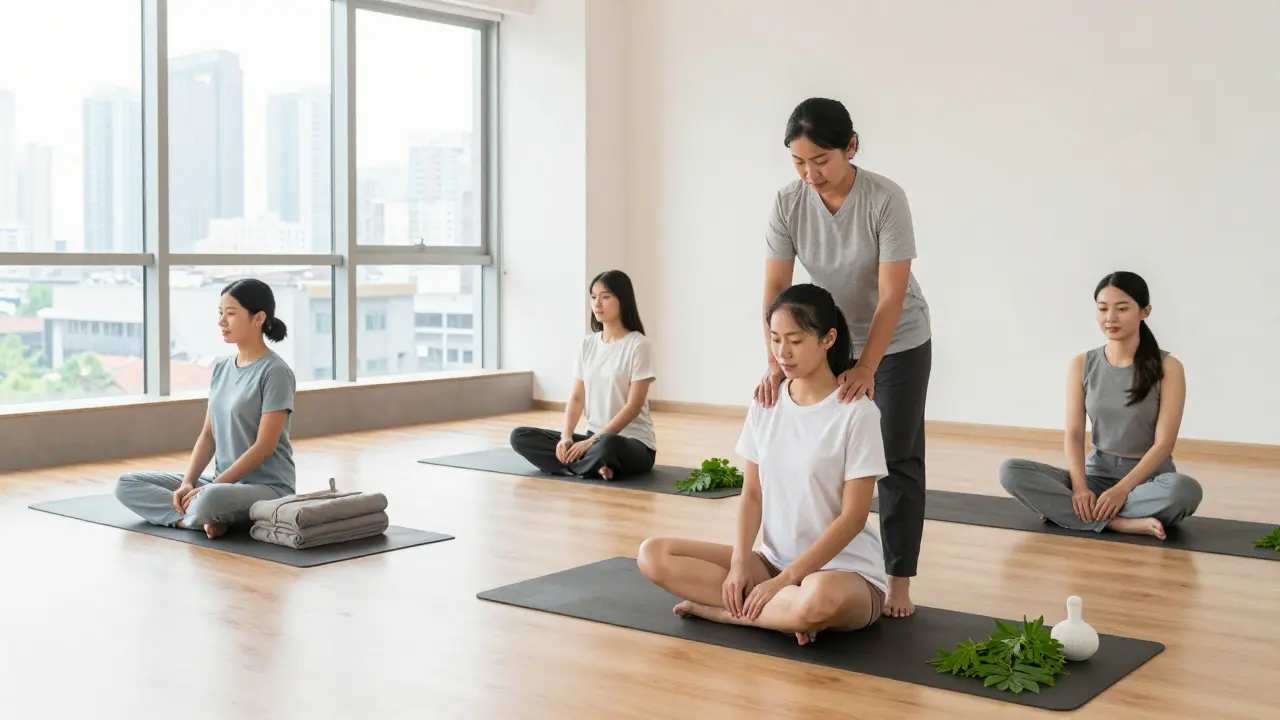
As Hilot grows in popularity, so does the need for caution. Not everyone calling themselves a "Hilot therapist" is trained properly. Since the practice was historically informal, certification standards vary. Here is how to find a reputable practitioner:
- Look for Lineage: Authentic Hilot is often taught within families or apprenticeships. Ask the practitioner about their training. Did they learn from a master (maestro)? How long have they been practicing?
- Check Credentials: In the Philippines, the Department of Health has begun regulating traditional birth attendants and healers. Look for practitioners who are registered with local health boards or professional associations like the Philippine Association of Traditional Healers.
- Consult Reviews: Read testimonials from previous clients. Pay attention to comments about professionalism, hygiene, and results. A good Hilot should leave you feeling lighter and more aligned, not bruised or sore.
- Ask About Herbs: A true Hilot practitioner will likely use local herbs. Ask them what they use and why. Their knowledge of botany is a sign of expertise.
In the United States, regulations for massage therapy vary by state. Ensure your practitioner holds a valid massage license if required by your state, in addition to their Hilot training. This dual credential ensures both safety and authenticity.
The Future of Hilot in Global Wellness
We are witnessing a renaissance of indigenous healing practices. From Ayurveda in India to Reiki in Japan, ancient wisdom is being validated and integrated into modern healthcare. Hilot is no exception. Its rise reflects a broader desire for connection-to our bodies, our cultures, and our histories.
As research continues to explore the physiological benefits of manual therapy and herbal medicine, Hilot will likely gain more acceptance in mainstream medical settings. Imagine a future where a hospital discharge plan includes a referral for Hilot alongside physical therapy. It is not far-fetched.
For now, Hilot remains a powerful tool for those seeking relief from the stresses of modern life. It reminds us that healing is not just about fixing what is broken, but about restoring harmony. Whether you are dealing with chronic back pain or simply looking to reconnect with your body, Hilot offers a path worth exploring.
Is Hilot painful?
Hilot can feel intense due to the firm pressure and pulling techniques, but it should not be excruciating. Communication is key. A skilled practitioner will adjust the pressure based on your feedback. Some soreness afterward is normal, similar to a workout, but sharp pain is a sign to stop.
How much does a Hilot session cost?
Prices vary widely depending on location and practitioner experience. In the Philippines, sessions may cost $10-$30. In the US, expect to pay between $80 and $150 per hour, comparable to specialized massage therapies like deep tissue or myofascial release.
Can I do Hilot at home?
While you can learn basic self-massage techniques inspired by Hilot, full treatment requires a trained practitioner. The skill lies in the diagnosis and the precise application of force. DIY attempts may not yield the same therapeutic results and could potentially cause injury if done incorrectly.
Are there risks associated with Hilot?
When performed by a qualified practitioner, Hilot is generally safe. Risks include minor bruising or temporary soreness. Contraindications include open wounds, fever, recent surgery, and certain pregnancy complications. Always disclose your medical history before starting treatment.
Does insurance cover Hilot?
Coverage depends on your provider and whether the practitioner is licensed as a massage therapist or physical therapist in your jurisdiction. Some plans cover "manual therapy" or "therapeutic massage" for documented medical conditions. Check with your insurer and ask the practitioner for a superbill or receipt detailing the service codes.