You just finished a brutal marathon. Your legs feel like lead. You book a massage, expecting magic. But what actually happens under those hands? Is it just relaxation, or is there real biology at work?
Sports massage isn't just a luxury for athletes. It's a physiological intervention. When you understand the science behind sports massage, you stop seeing it as pampering and start seeing it as maintenance. This article breaks down exactly how manual therapy affects your muscles, nerves, and connective tissue.
The Mechanical Effect: Breaking Up Adhesions
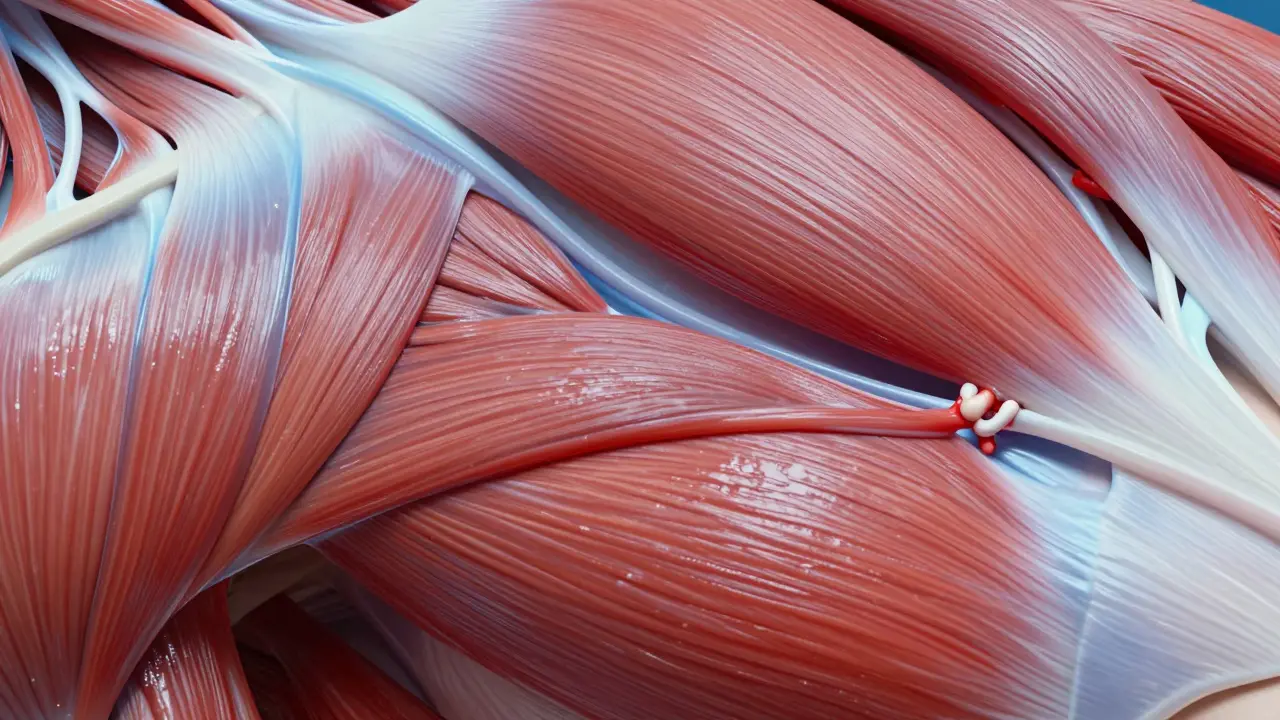
Let’s talk about structure first. Your muscles aren't just bundles of fibers floating in space. They are wrapped in layers of connective tissue called fascia. Think of fascia like a plastic wrap around a turkey. When everything is healthy, that wrap is loose and slippery. Muscles slide against each other easily.
But when you overtrain, get injured, or sit too long, that fascia gets sticky. It forms adhesions-tiny knots where tissue sticks together instead of gliding. This restricts movement. It hurts. And it limits performance.
| State | Fascial Condition | Movement Quality | Pain Level |
|---|---|---|---|
| Healthy | Hydrated, layered, slippery | Fluid, full range of motion | None |
| Adhered | Dehydrated, cross-linked, stiff | Restricted, jerky | Aching or sharp pain |
Deep tissue massage applies pressure to physically separate these layers. The therapist uses slow strokes and deep finger pressure to shear the tissue apart. This restores the natural glide between muscle groups. You don't just feel better; you move better because the mechanical restriction is gone.
Circulation and Lactate Clearance
Here’s a common myth: massage removes lactic acid from your muscles after exercise. Scientists have debunked this. Your body clears lactate naturally within an hour or two of stopping activity. Massage doesn’t speed that up significantly.
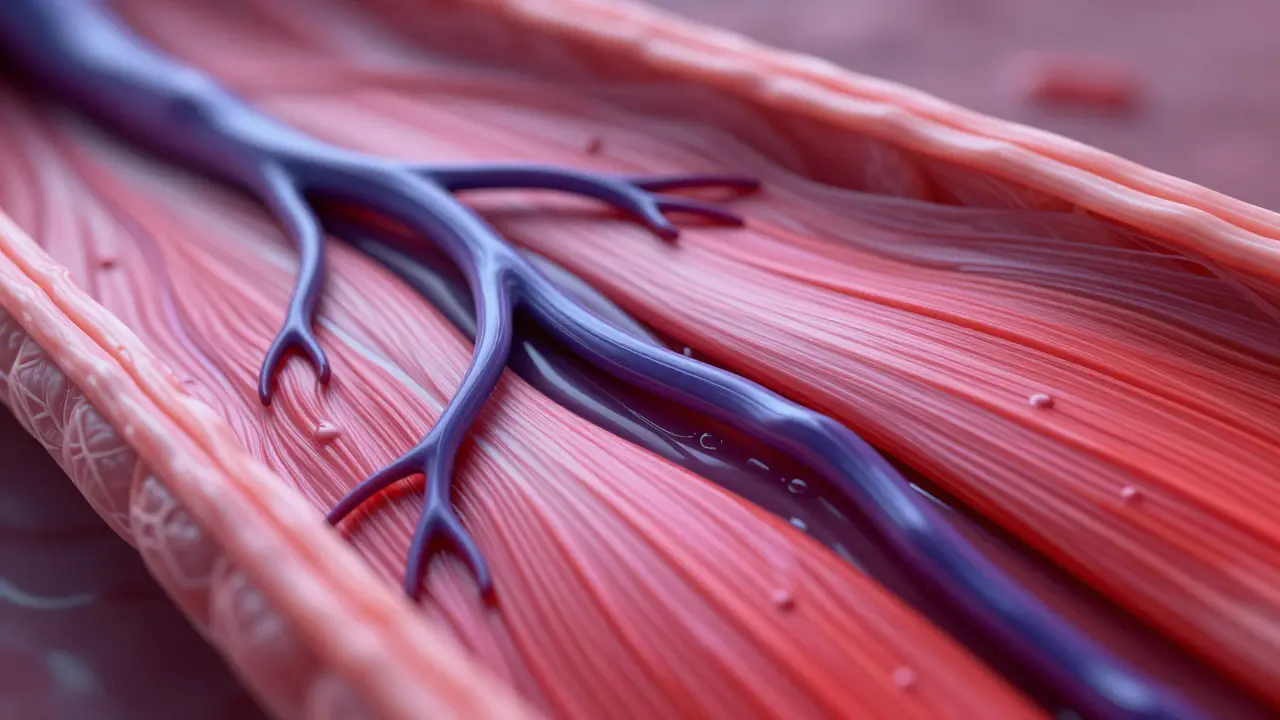
However, massage does improve blood flow. By applying rhythmic pressure, therapists push deoxygenated blood out of the muscles and pull fresh, oxygen-rich blood in. This process is called venous return. Better circulation means more nutrients reach tired tissues and waste products leave faster.
This matters for recovery. If your muscles are starved of oxygen and flooded with metabolic waste, they stay sore longer. Improved circulation accelerates the healing timeline. You might not clear lactate faster, but you do reduce inflammation and swelling more effectively.
The Nervous System Response
Your brain controls your pain. That’s why sports massage feels good even when it hurts. There are two main theories here: Gate Control Theory and Parasympathetic Activation.
Gate Control Theory suggests that touch signals travel faster than pain signals. When a therapist works on a knot, the sensation of pressure overwhelms the nerve pathways that carry pain messages to your brain. Your brain literally can't process both at once, so it blocks the pain. This gives you immediate relief.
Then there’s the autonomic nervous system. Most people live in a state of high stress-fight or flight mode. This keeps muscles tense and heart rates elevated. Massage triggers the parasympathetic nervous system, also known as rest-and-digest mode. Studies show that just ten minutes of massage can lower cortisol levels by up to 53%. Lower cortisol means less inflammation and faster recovery.
Parasympathetic Nervous System is the part of the autonomic nervous system responsible for calming the body and promoting recovery. It activates during relaxation, lowering heart rate and blood pressure while increasing digestive activity.Timing Matters: Pre-Event vs. Post-Event
Not all sports massages are the same. The timing changes the technique and the goal.
- Pre-event: Done 1-2 hours before competition. It’s light, fast, and stimulating. The goal is to warm up muscles, increase blood flow, and mentally prepare the athlete. No deep tissue work here-it would fatigue the muscles.
- Post-event: Done immediately after finishing. It’s gentle and focused on flushing out metabolic waste. The aim is to prevent stiffness from setting in overnight.
- Maintenance: Done regularly during training cycles. This is where deep tissue work happens. It addresses chronic issues, breaks up adhesions, and maintains flexibility.
If you get a deep tissue massage right before a race, you’ll likely perform worse. Your muscles need time to recover from the micro-tears caused by intense pressure. Timing is everything.

Who Actually Needs Sports Massage?
You don’t need to be an Olympian to benefit. Anyone who moves their body repeatedly needs maintenance. Runners, cyclists, weightlifters, and even office workers who hunch over keyboards all develop fascial restrictions.
Consider your own routine. Do you feel tightness in your hips after running? Stiff shoulders after typing? These are signs of adhesion formation. Regular sports massage prevents small issues from becoming big injuries. It’s cheaper to maintain your body than to fix it later.
Common Misconceptions Debunked
Let’s clear up some confusion. First, pain isn’t progress. A good massage shouldn’t leave you bruised or unable to walk. Discomfort is normal, but agony is not. If your therapist pushes too hard, they’re causing damage, not healing it.
Second, hydration helps, but it’s not magic. Drinking water supports overall health, but it won’t dissolve adhesions on its own. Mechanical pressure is required to break them up.
Third, one session won’t fix years of bad posture. Chronic tension takes time to resolve. Consistency is key. Monthly sessions work better than annual marathons.
How often should I get a sports massage?
For active individuals, once a month is a good baseline. During heavy training phases, weekly sessions may be beneficial. Listen to your body-if you’re constantly sore, increase frequency.
Does sports massage help with anxiety?
Yes. By activating the parasympathetic nervous system, massage lowers cortisol and increases serotonin and dopamine. This creates a calming effect that reduces anxiety symptoms.
Can sports massage replace stretching?
No. Massage addresses soft tissue restrictions, while stretching improves muscle length and joint mobility. They work best together. Use massage to release tension, then stretch to lock in flexibility.
Is sports massage painful?
It can be uncomfortable, especially when working on tight areas. However, it should never be excruciating. Communicate with your therapist about pressure levels. Pain indicates tissue damage, not healing.
What should I wear to a sports massage?
Wear comfortable, loose clothing. Most therapists provide draping sheets, but having easy-to-remove clothes makes the experience smoother. Avoid restrictive outfits if possible.