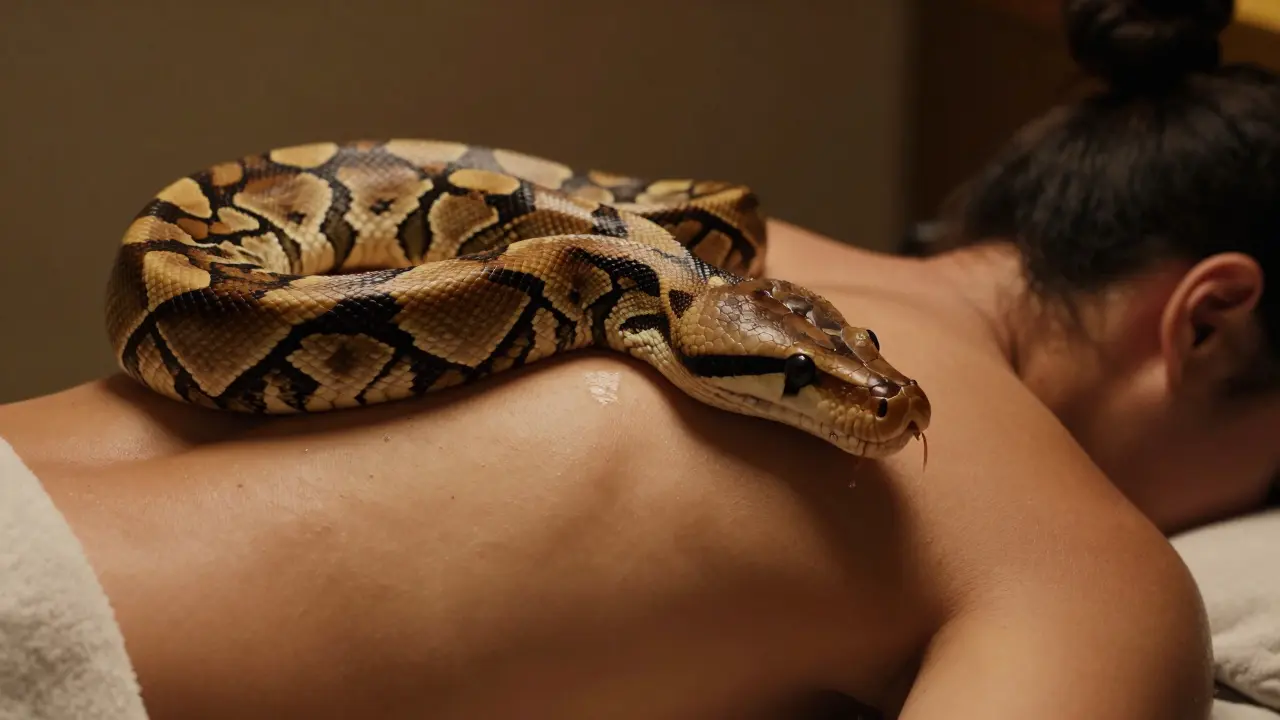
Imagine lying on a warm table, eyes closed, breathing deeply. Suddenly, you feel something heavy slide across your chest. It’s not a weighted blanket. It’s a live snake. This is snake massage, also known as reptile therapy or ophidian bodywork. It sounds like something out of an action movie, but it’s a real practice that has popped up in spas from Thailand to Bali. But before you book a session, you need to know what’s actually happening under the scales.
What Exactly Is Snake Massage?
At its core, this therapy involves placing live snakes on your body while you receive a traditional massage. The idea isn’t new; it draws from ancient beliefs that cold-blooded animals can absorb negative energy or balance the body’s heat. In modern settings, it’s often marketed as a form of stress relief or a unique sensory experience. You aren’t being bitten. You aren’t being squeezed. The snakes are simply resting on you, moving slowly as the therapist works around them.
The most common species used are non-venomous pythons and boas. These large constrictors are chosen because they are generally docile, heavy enough to provide gentle pressure, and lack venom glands that could cause harm if they were to bite (which is extremely rare in controlled settings). A typical session might use one or two snakes, each weighing between 10 to 30 pounds. They are placed on areas like the back, legs, or stomach, where their weight creates a mild compression effect similar to a weighted lap pad.
| Species | Average Weight | Temperament | Origin |
|---|---|---|---|
| Burmese Python | 15-40 lbs | Calm, slow-moving | Southeast Asia |
| Reticulated Python | 20-50 lbs | Curious, gentle | Indonesia/Malaysia |
| Ball Python | 1-3 lbs | Docile, small | West Africa |
| Boa Constrictor | 10-30 lbs | Relaxed, sturdy | South America |
Why Do People Try It? The Claimed Benefits
You won’t find peer-reviewed studies proving snake massage cures cancer or lowers cholesterol. That’s because the benefits are largely anecdotal and psychological. Proponents claim three main advantages:
- Stress Reduction: The novelty of the experience forces your brain to focus on the present moment. For many, this distraction reduces anxiety temporarily.
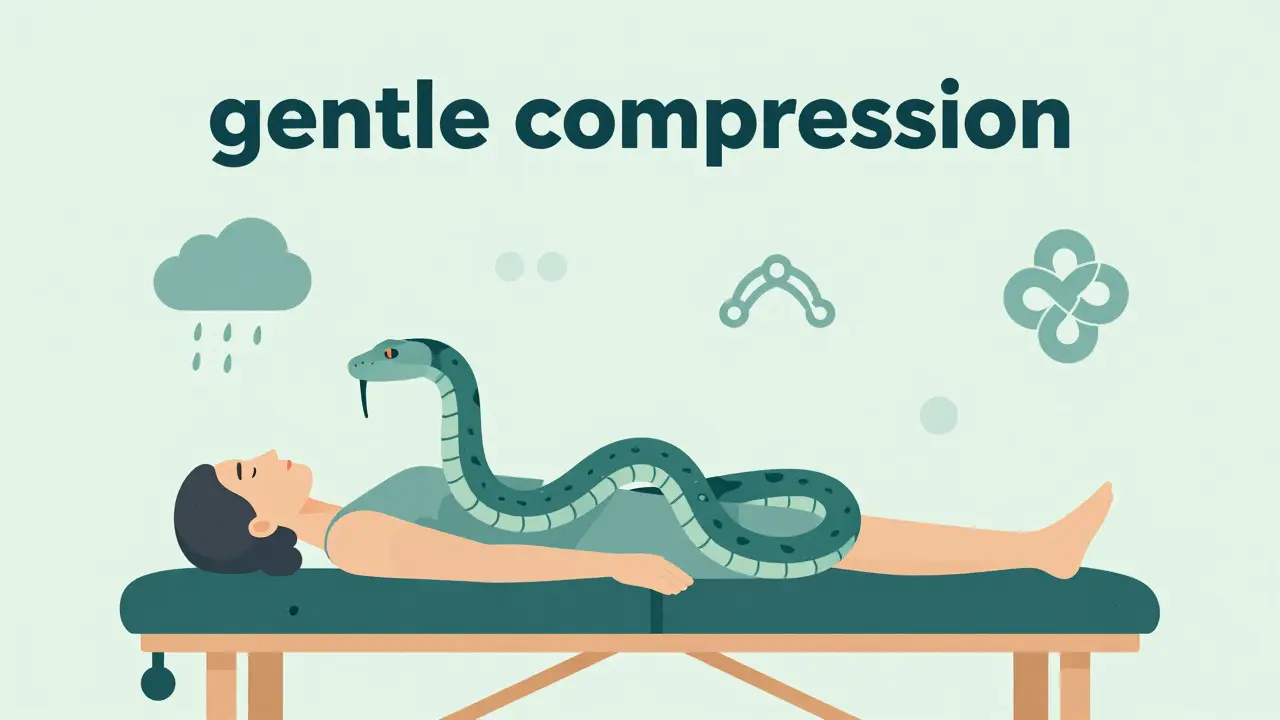
- Gentle Compression: The weight of the snake provides light pressure, which some compare to deep tissue massage or acupressure. This may help relax tight muscles without aggressive kneading.
- Overcoming Phobias: Some people use these sessions as exposure therapy for ophidiophobia (fear of snakes). Facing a fear in a safe environment can build confidence.
However, be clear: there is no scientific evidence that snakes release healing toxins or absorb illness. Any physical relief comes from the massage itself, not the reptile. If you’re seeking medical treatment, stick to licensed therapies. Snake massage is an experience, not a cure.
Safety First: What You Need to Know Before Booking
This is where things get serious. While reputable centers prioritize safety, risks exist. Here’s what you must check before signing up:
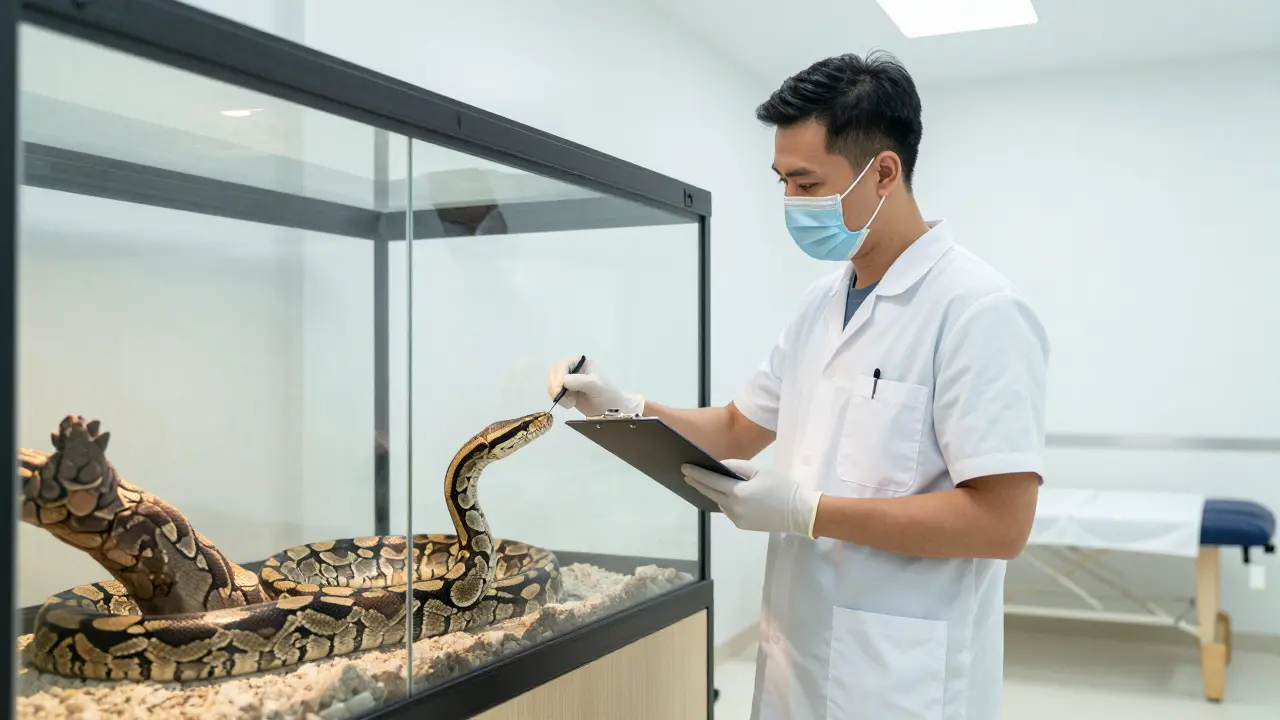
- Venom Status: Ensure only non-venomous snakes are used. Reputable spas will display certificates or allow you to see the enclosure beforehand.
- Hygiene Protocols: Snakes shed skin regularly. Ask how the facility cleans the animals and the table between clients. Look for visible sanitization steps.
- Handler Expertise: The person handling the snake should be trained in reptile care, not just massage. They should monitor the animal’s stress levels and remove it immediately if it shows signs of agitation.
- Your Health Conditions: Avoid this therapy if you have open wounds, compromised immune systems, severe allergies, or respiratory issues. Snake dander and shed skin can trigger reactions.
In Bristol and much of the UK, regulations around exotic animal handling are strict. Always verify that the venue holds the necessary licenses from local authorities. If a place seems shady or refuses to answer questions about safety, walk away.
What to Expect During a Session
If you decide to try it, here’s the step-by-step process:
- Consultation: The therapist will ask about your health history, fears, and comfort level. Be honest. If you’re terrified, they may suggest a different therapy.
- Preparation: You’ll lie down on a clean, heated table. The room is usually dimly lit to keep the snakes calm.
- Introduction: The handler brings out the snake(s) and lets you observe them first. You can touch them if you wish, or just watch.
- Placement: The snake is gently placed on your body. It may move slightly, but it won’t slither rapidly. The therapist continues massaging around it.
- Duration: Most sessions last 30-60 minutes. The snake is removed periodically to rest and prevent overheating.
- Aftercare: You’ll be given water and time to adjust. Some people report feeling relaxed; others feel adrenaline-pumped.
Costs vary widely. In Southeast Asia, you might pay $20-$50. In Europe or North America, prices can reach $100-$200 due to higher operational costs and licensing fees.
Alternatives If You’re Hesitant
Not everyone wants a live animal on their body. That’s okay. Consider these alternatives that offer similar sensations without the risk:
- Weighted Blanket Therapy: Provides deep pressure stimulation for anxiety and sleep.
- Hot Stone Massage: Uses heated basalt stones to relax muscles and improve circulation.
- Reiki or Energy Healing: Focuses on balancing energy fields without physical contact.
- Animal-Assisted Therapy: Works with dogs or horses, which are more predictable and easier to regulate.
Final Thoughts: Is It Worth It?
Snake massage is not for everyone. If you love unique experiences, trust your provider, and understand the risks, it can be a memorable adventure. But if you value clinical precision or have health concerns, skip it. There’s no shame in choosing conventional massage. Your well-being matters more than chasing trends.
Is snake massage legal in the UK?
Yes, but venues must hold specific licenses for keeping and handling exotic animals. Regulations vary by region, so always check local council records.
Can snakes bite during a massage?
It’s extremely rare with non-venomous species handled by professionals. Bites usually occur when the animal is stressed or mishandled. Reputable spas minimize this risk through careful monitoring.
Are there any medical benefits to snake massage?
No proven medical benefits exist. Any relief comes from the massage technique and psychological relaxation, not the snake itself.
How much does a snake massage cost?
Prices range from $20 in tourist hubs like Thailand to over $150 in Western countries due to licensing and insurance costs.
Who should avoid snake massage?
People with open wounds, weakened immune systems, severe allergies, respiratory conditions, or extreme phobias should avoid this therapy.