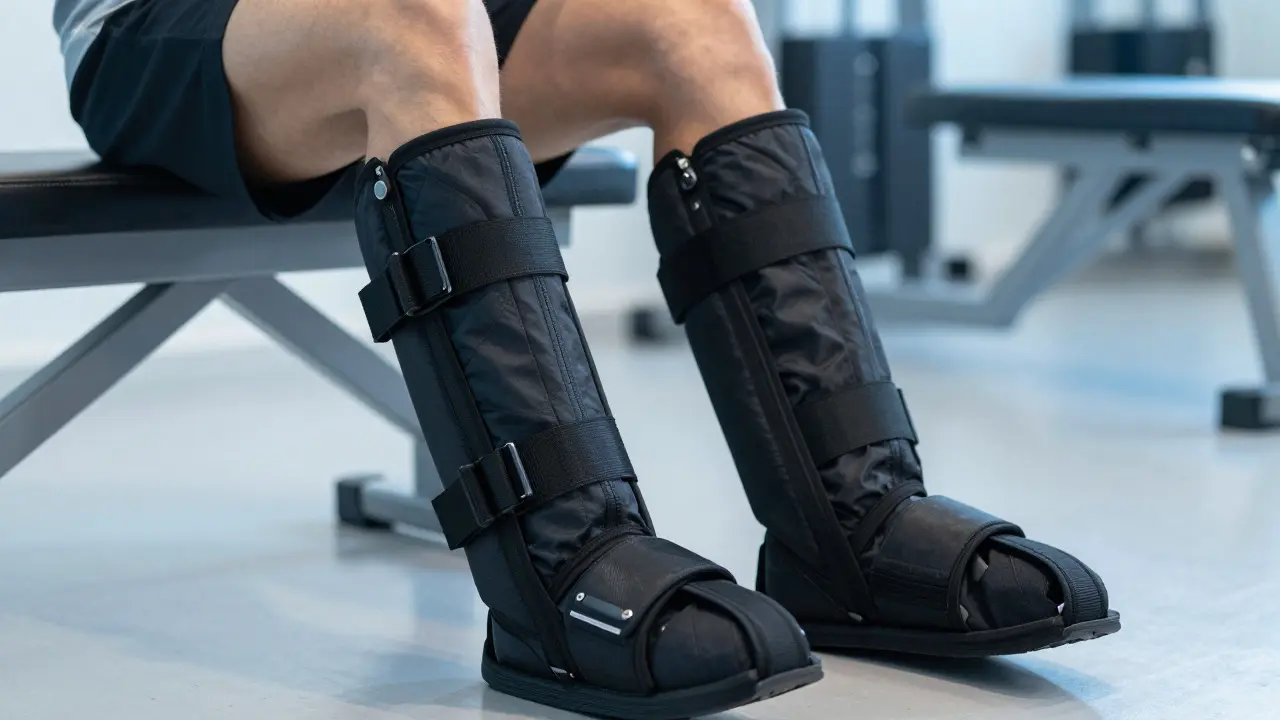
You just finished a grueling workout. Your legs feel like lead, your muscles are tight, and you’re dreading the next day’s stiffness. You’ve heard about ice baths, foam rolling, and now, compression massage. But is it really the secret weapon for optimal health, or just another wellness trend? The short answer is yes-but not in the way you might think. It’s not magic. It’s physics, physiology, and timing.
Compression massage uses external pressure to squeeze blood and fluid through your tissues. This isn’t your typical Swedish massage where a therapist kneads your shoulders. We’re talking about rhythmic squeezing that mimics the body’s natural pumping mechanisms. Whether done by hand or with pneumatic sleeves, this technique forces your circulatory system to work harder, faster, and more efficiently. For athletes, desk workers, and anyone dealing with chronic fatigue, understanding how this works can change how you recover.
The Physiology of Pressure: How It Actually Works
To understand why compression massage feels so good, you have to look at what happens under the skin. Your body has two main systems moving fluids around: the cardiovascular system (blood) and the lymphatic system (waste removal). Blood has a pump-your heart. Lymph doesn’t. It relies on muscle movement and gravity.
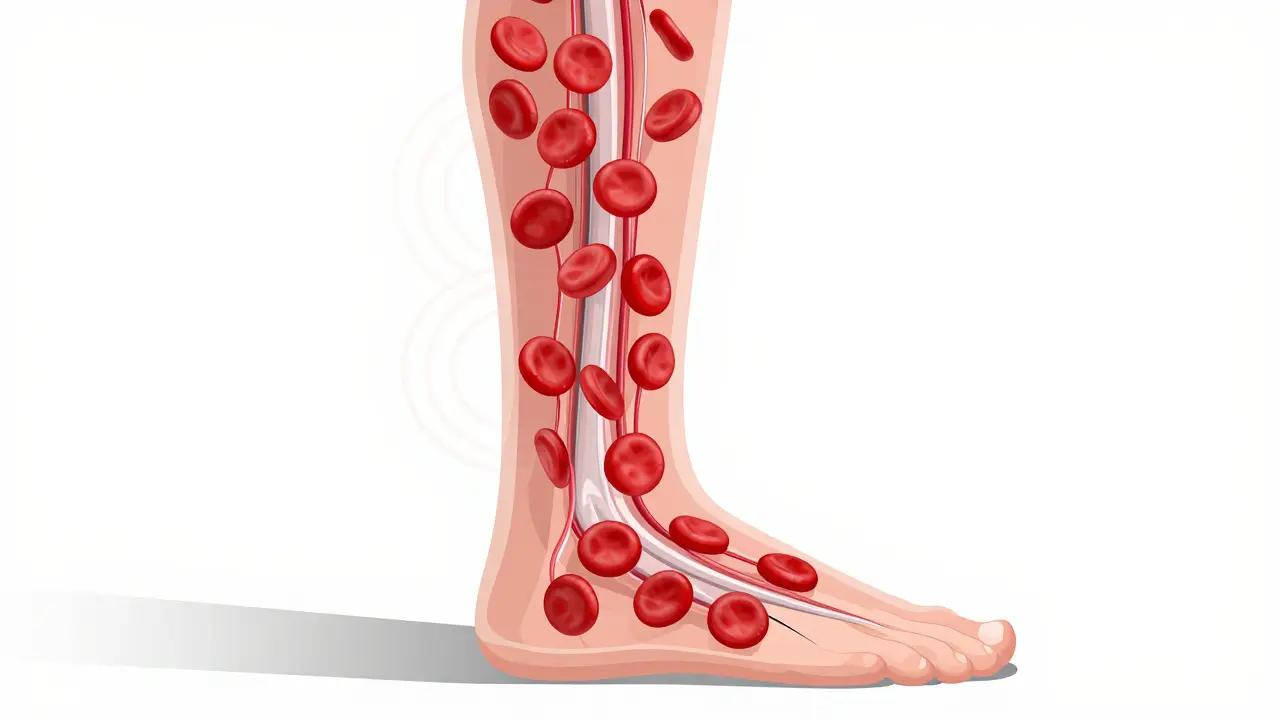
When you sit still for eight hours, or when your muscles are exhausted after a marathon, those systems slow down. Fluid pools. Waste products like lactic acid build up. Inflammation sets in. Compression massage intervenes here. By applying graduated pressure-usually starting from the extremities and moving toward the core-it physically pushes stagnant fluid back into circulation.
Think of it like wringing out a sponge. If you leave a wet sponge sitting there, it stays soggy. Squeeze it, and water flows out. Compression does exactly that to your interstitial fluid-the fluid between your cells. It clears the debris so fresh, oxygen-rich blood can move in. This exchange is critical for tissue repair and reducing swelling.
Manual vs. Mechanical: Choosing Your Method
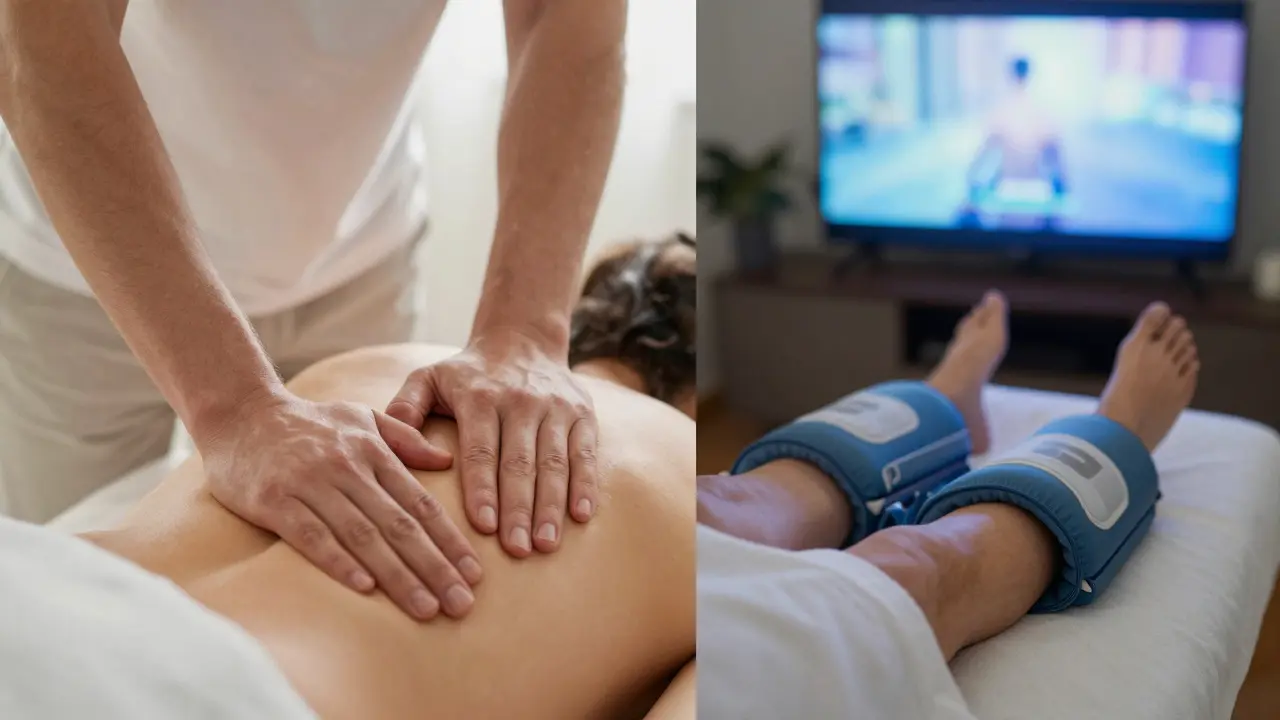
Not all compression massage is created equal. You generally have two options: manual techniques performed by a therapist, or mechanical devices you use at home. Both have merits, but they serve different needs.
Manual Compression Massage involves a therapist using their hands, forearms, or elbows to apply deep, rhythmic pressure. This is often part of sports massage or deep tissue work. The benefit here is adaptability. A skilled therapist can feel where your tension is highest and adjust pressure instantly. They can target specific trigger points that a machine might miss. However, it’s expensive, time-consuming, and requires booking appointments.
Mechanical Air Compression uses inflatable boots, gloves, or full-body suits. These devices inflate and deflate in waves. You put them on, set the timer, and relax. This is popular among runners and cyclists because it’s passive. You can watch TV while your legs recover. The downside? It’s impersonal. It applies uniform pressure, which might be too much for sensitive areas or too little for dense muscle knots.
| Feature | Manual Compression | Mechanical Air Compression |
|---|---|---|
| Cost | High ($60-$150 per session) | Medium ($100-$500 one-time purchase) |
| Customization | High (therapist adjusts pressure) | Low (preset pressure levels) |
| Convenience | Requires appointment/travel | Use anytime at home |
| Best For | Deep tissue release, injury rehab | Daily recovery, mild swelling |
If you’re an athlete looking for daily maintenance, mechanical devices offer better value. If you’re dealing with chronic pain or specific injuries, manual therapy provides the precision you need. Many people find success combining both: regular mechanical sessions at home, with occasional professional treatments.
Key Health Benefits Beyond Muscle Recovery
We often associate compression massage with post-workout leg relief. But its impact goes far deeper. Here’s how it supports overall health:
- Reduced Inflammation: By clearing inflammatory cytokines from tissues, compression helps lower systemic inflammation. This is crucial for conditions like arthritis or autoimmune disorders.
- Improved Circulation: Better blood flow means more oxygen to organs and muscles. This can enhance energy levels and mental clarity.
- Lymphatic Drainage: The lymphatic system is your body’s garbage disposal. Stagnant lymph leads to bloating and immune weakness. Compression jump-starts this process.
- Pain Management: The pressure stimulates nerve endings, triggering the gate control theory of pain. Essentially, it confuses your brain into ignoring pain signals.
- Better Sleep: Many users report deeper sleep after sessions. The relaxation response lowers cortisol, helping you wind down.
Consider Sarah, a nurse who stands for 12-hour shifts. She suffers from varicose veins and heavy legs. After incorporating nightly air compression sleeves, she noticed less swelling and fewer night cramps within two weeks. Her case illustrates how compression addresses circulatory issues that medication alone can’t fix.
Safety First: Who Should Avoid It?
While compression massage is safe for most people, it’s not universal. Applying pressure to certain conditions can cause serious harm. Always consult a doctor before starting if you fall into these categories:
- Deep Vein Thrombosis (DVT): If you have a blood clot, compression can dislodge it, leading to a pulmonary embolism. This is life-threatening.
- Active Infections: Fever, cellulitis, or open wounds can spread infection via increased blood flow.
- Severe Heart Failure: Increased venous return puts extra strain on a weak heart.
- Pregnancy: While gentle compression may help swelling, high-pressure devices should be avoided without medical clearance.
- Recent Surgery: Wait until incisions are fully healed to prevent tearing or bleeding.
If you’re unsure, start low. Use the lowest pressure setting on mechanical devices. Stop immediately if you feel sharp pain, numbness, or tingling. Discomfort is normal; pain is not.
How to Integrate Compression Into Your Routine
Getting results requires consistency. One session won’t transform your health. Here’s a practical plan:
- Post-Workout (Within 30 Minutes): Use mechanical compression for 15-20 minutes. This clears metabolic waste before it solidifies into soreness.
- Evening Wind-Down: If you sit all day, do a 10-minute session before bed. This reduces leg swelling and prepares your body for rest.
- Weekly Professional Session: Book a manual compression massage once a month to address deep tissue issues.
- Hydrate: Compression moves fluid. Drink water afterward to help your kidneys filter out the waste being released.
Don’t overdo it. More than 30 minutes of intense compression can cause bruising or nerve irritation. Listen to your body. If your skin turns red or purple, reduce pressure.
Frequently Asked Questions
Does compression massage actually reduce muscle soreness?
Yes. Studies show that pneumatic compression reduces delayed onset muscle soreness (DOMS) by improving blood flow and removing inflammatory markers. Users typically report feeling 20-30% less stiff the next day compared to no treatment.
Can I use compression sleeves every day?
For mechanical devices, yes, daily use is safe for most people. Limit sessions to 15-20 minutes. Overuse can lead to skin irritation or dependency on external pressure for circulation. Give your body breaks to function independently.
Is manual compression massage painful?
It can be intense, especially if you have tight muscles. However, it shouldn’t cause sharp pain. Communicate with your therapist. Good compression feels like a firm hug, not a crush. Pain indicates excessive force or underlying injury.
How long does it take to see benefits?
Immediate effects include reduced swelling and warmth. Long-term benefits like improved circulation and less chronic pain develop over 2-4 weeks of consistent use. Patience is key.
What pressure level should I start with?
Begin at the lowest setting (usually 20-30 mmHg). Increase gradually only if you tolerate it well. Most people find 40-60 mmHg effective for recovery. Never exceed 80 mmHg without medical supervision.